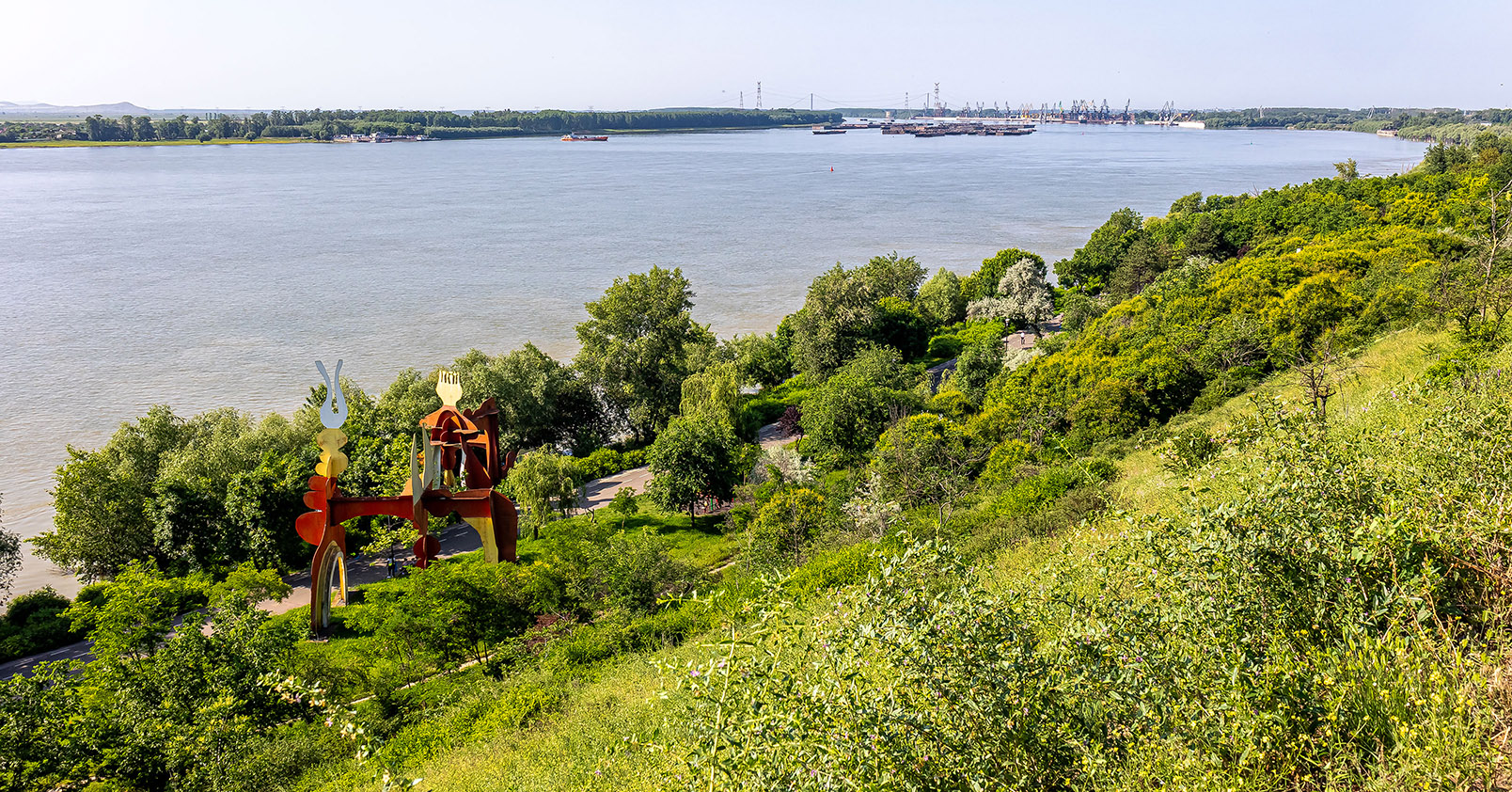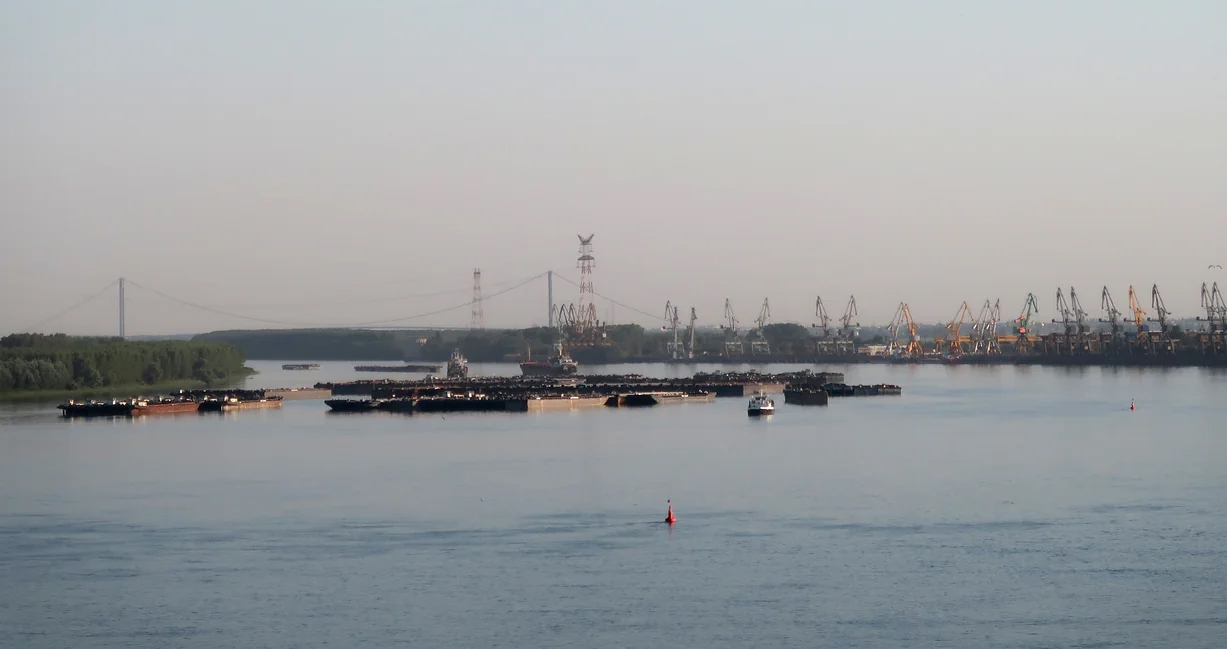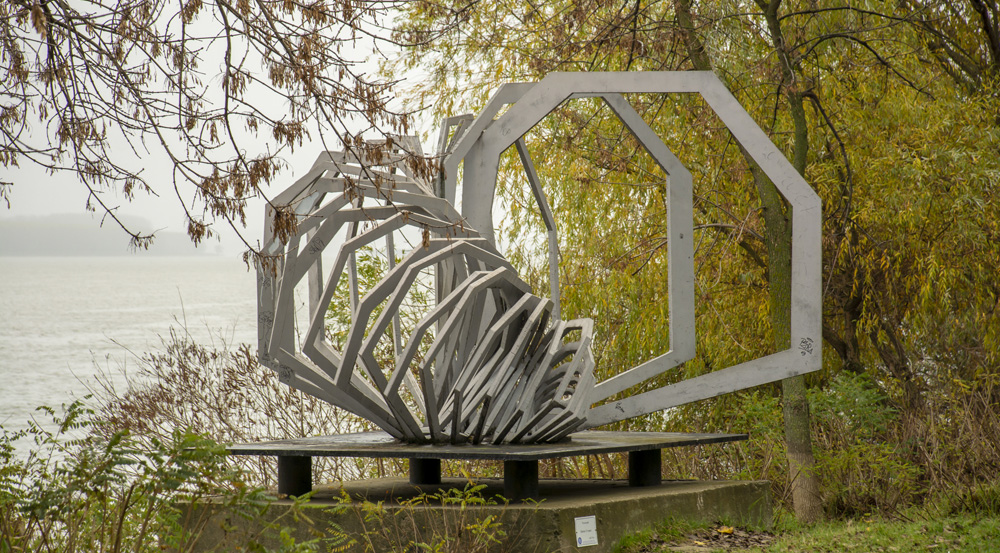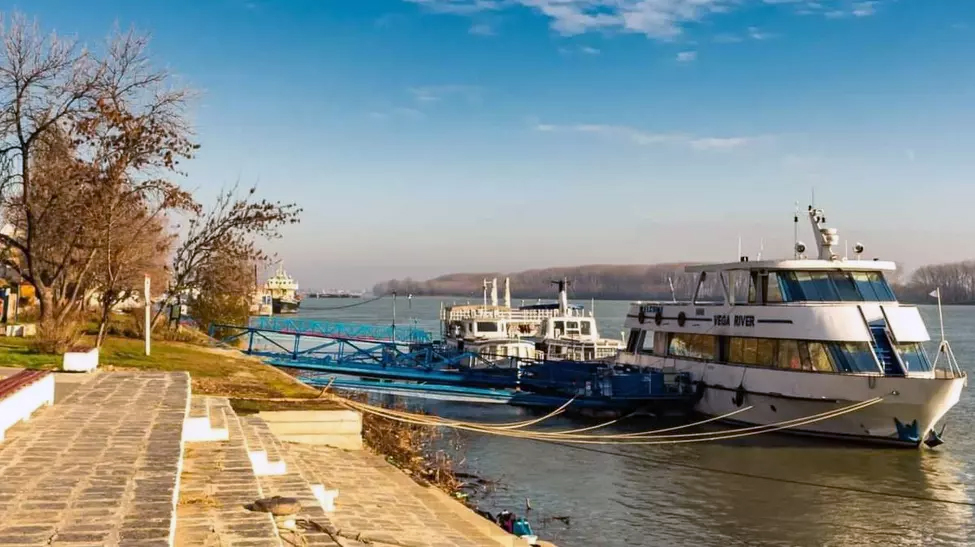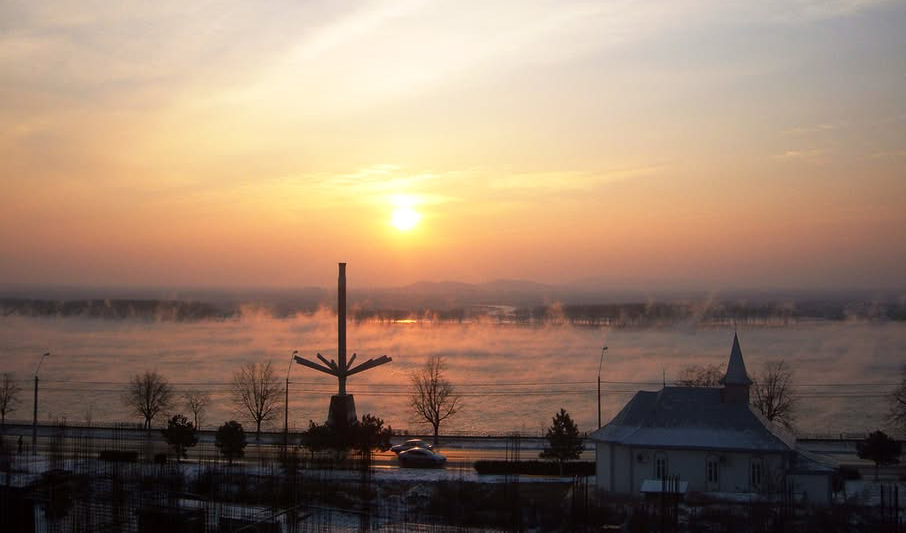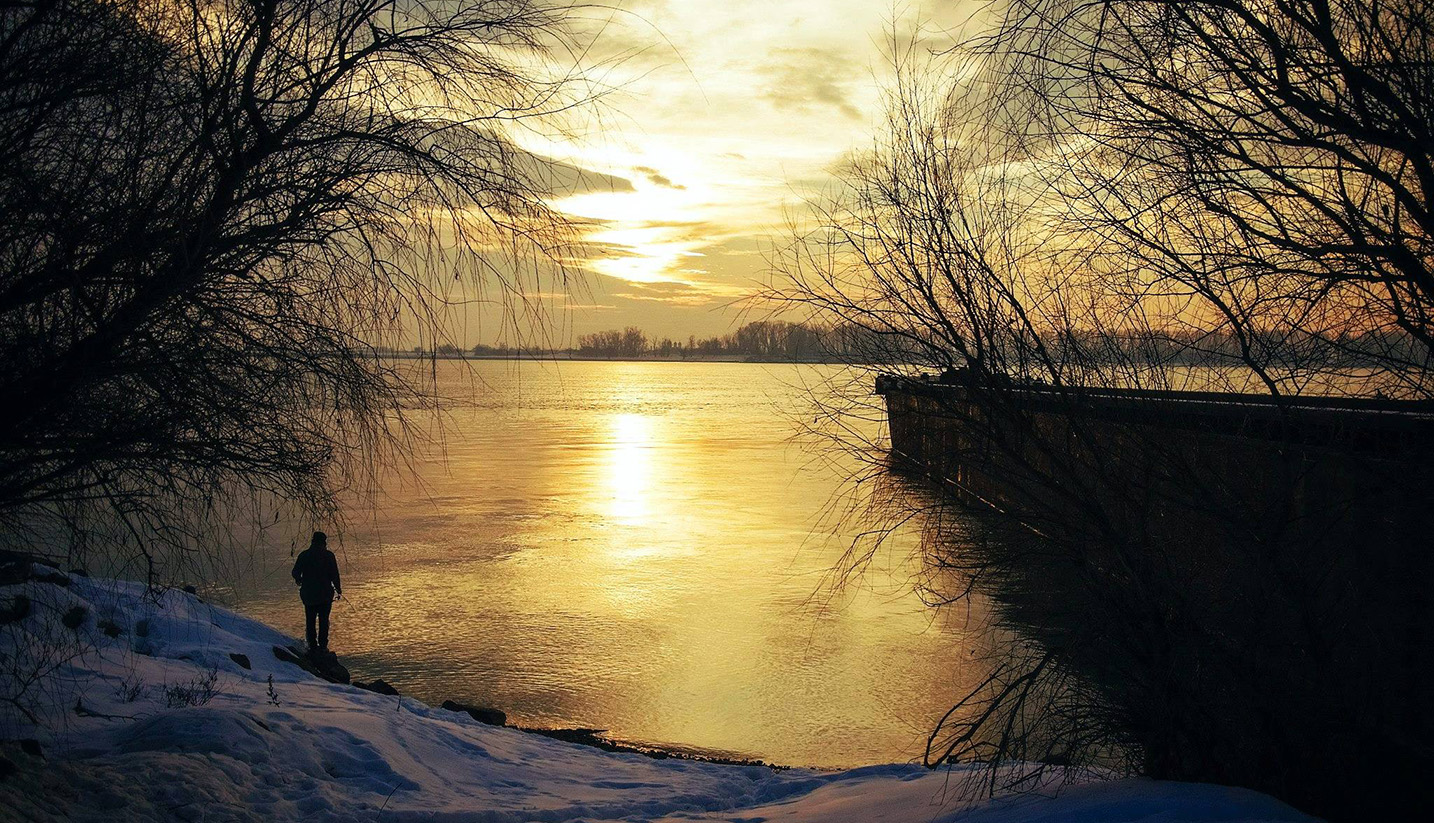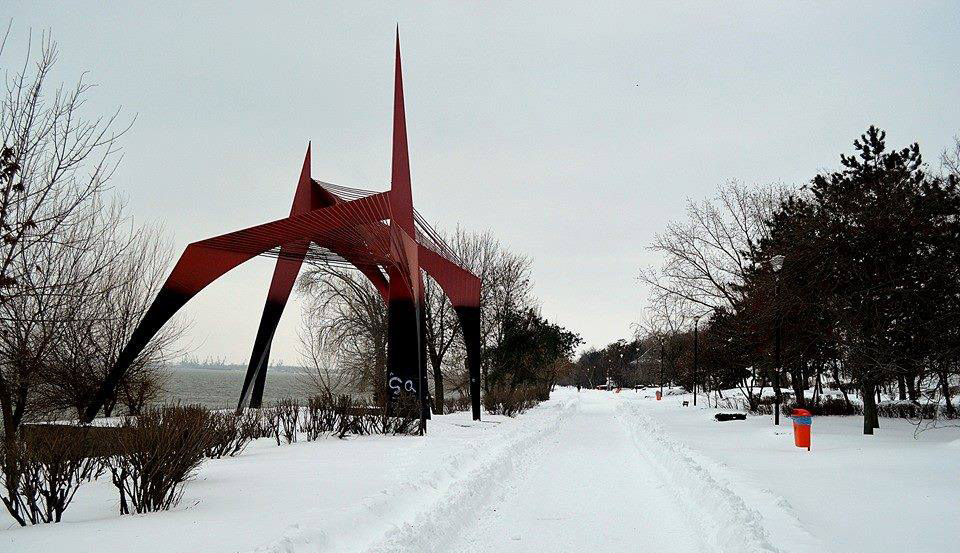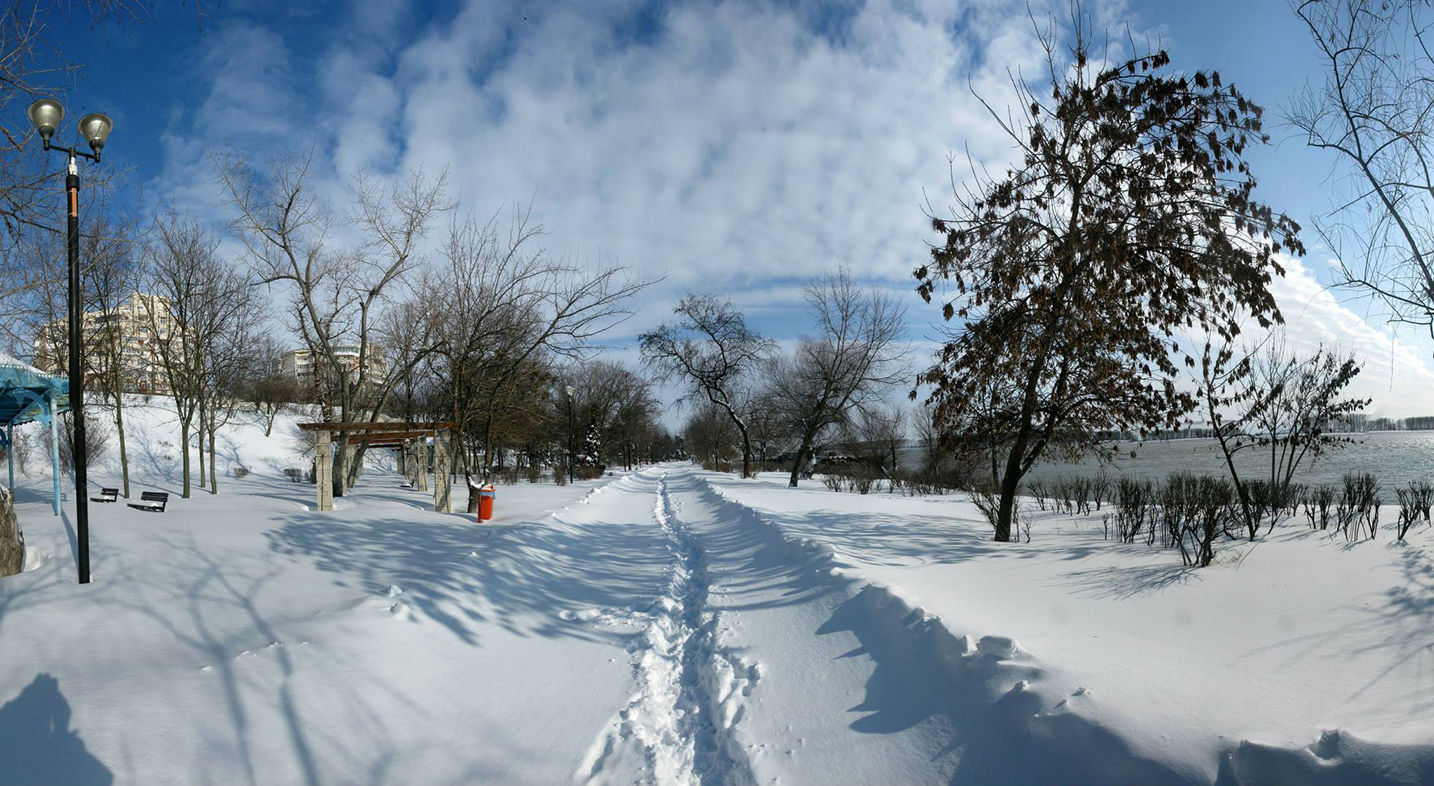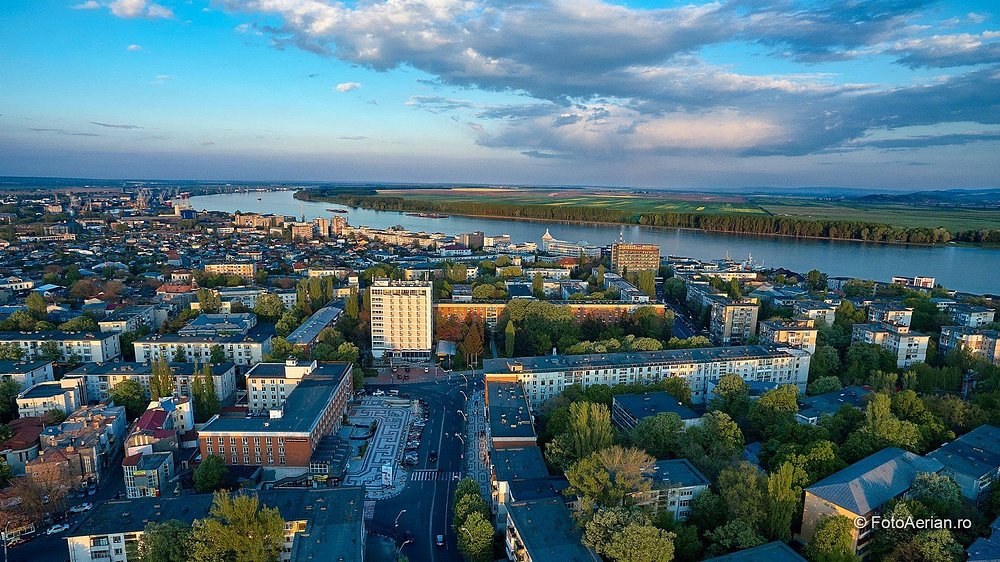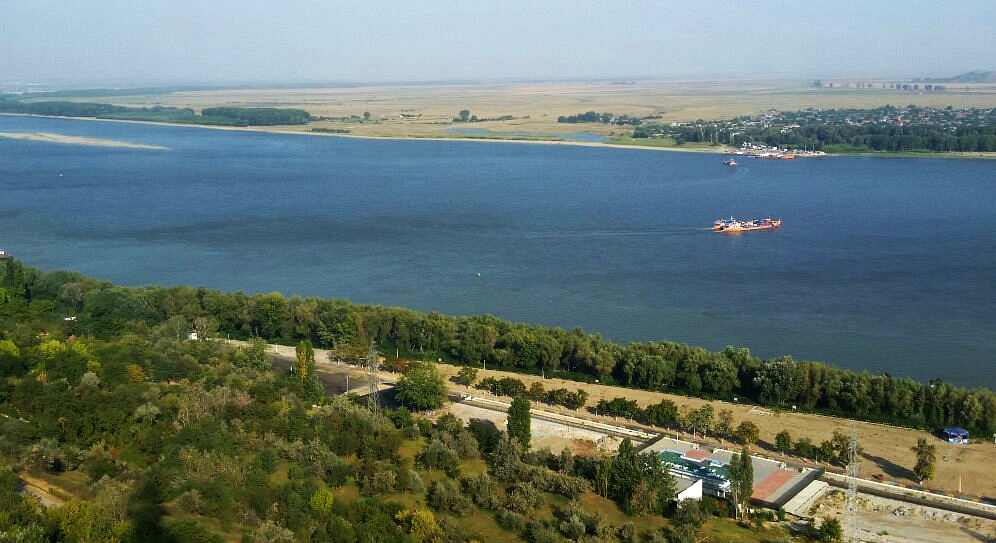
The city’s main attraction is the Danube Promenade, one of the city’s most spectacular tourist attractions, offering a unique charm in every season. Stretching 4 km in length and arranged into two levels — the upper and lower promenades — it is considered the longest along the Danube in Europe.
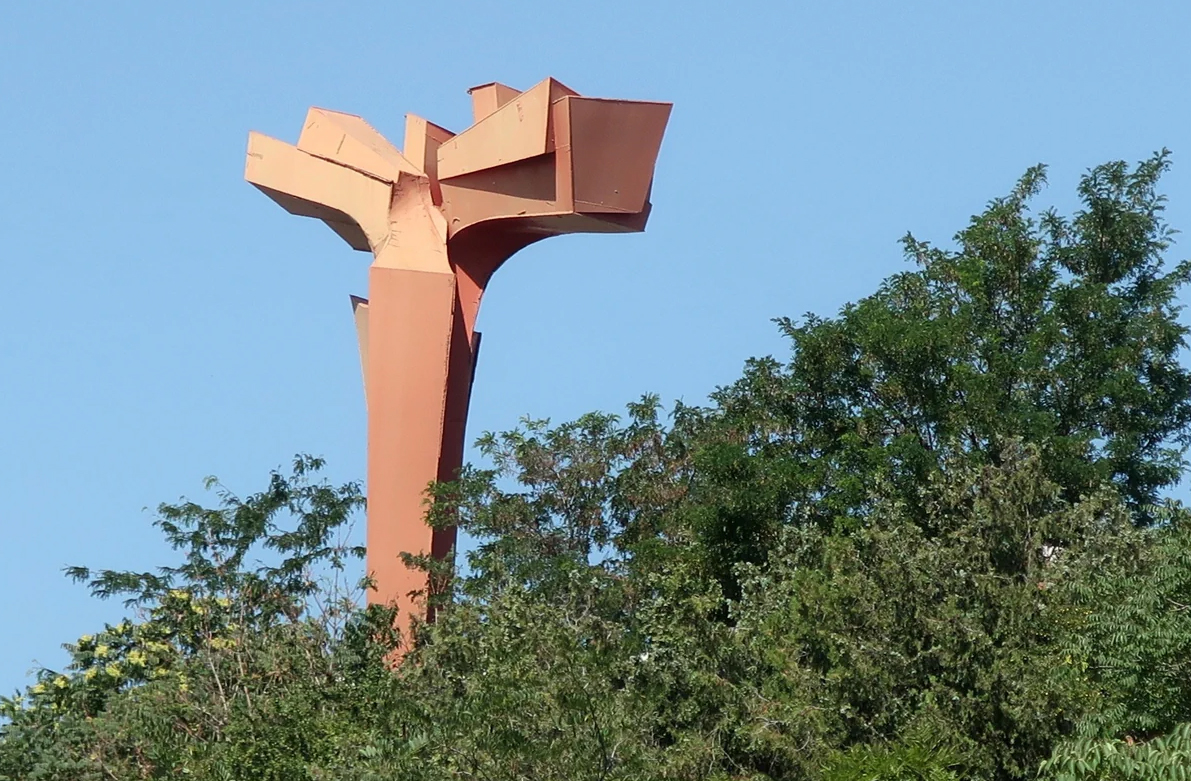
Along the promenade, visitors can admire a series of metal sculptures created the 1970s that enhance the overall aesthetic experience.
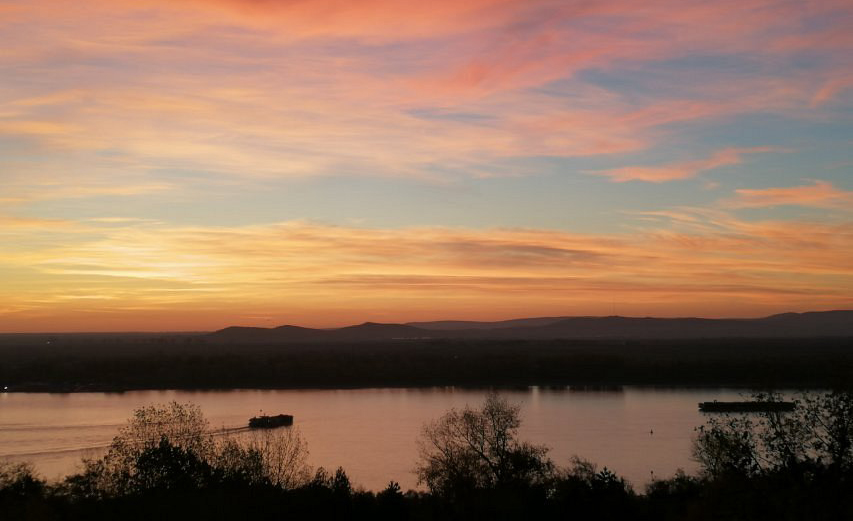
The promenade is an integral part of the daily life of the city’s residents, being the perfect place for romantic and relaxing walks, sports activities, or for admiring sunsets and dreamlike panoramas.
The promenade is accessible year-round, and various events are occasionally organized here, such as concerts, exhibitions, and sports competitions.
The Television Tower
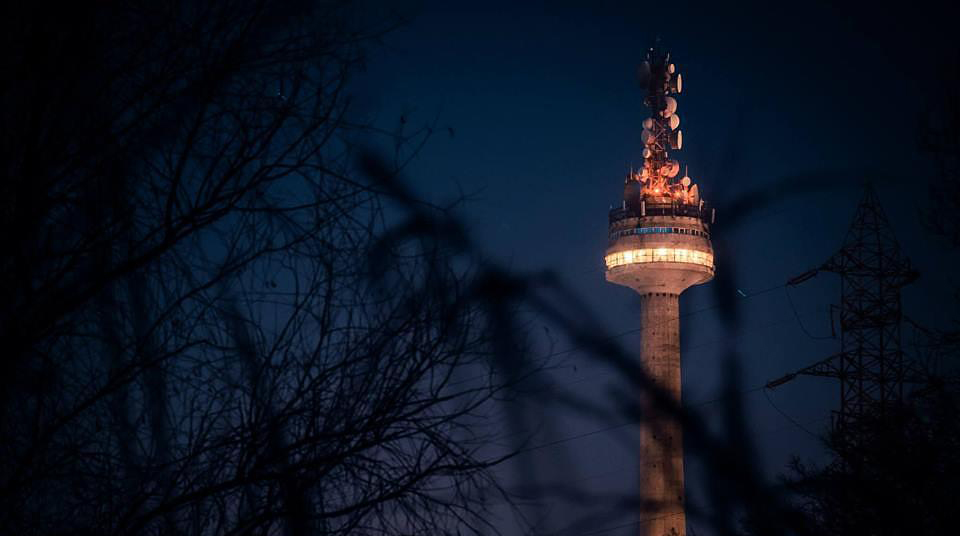
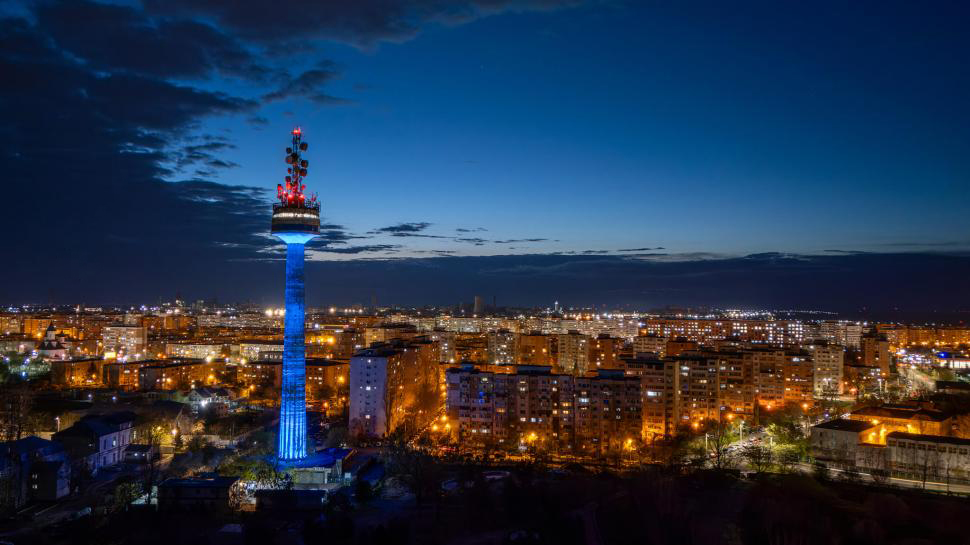
The TV Tower offers a unique experience that should not be missed when visiting the city. It is located at the western end of the Danube Promenade, near the beach along the riverbank. From the tower, visitors can admire the spectacular panoramic of the Danube and, further in the distance, the Dobrogea Mountains.
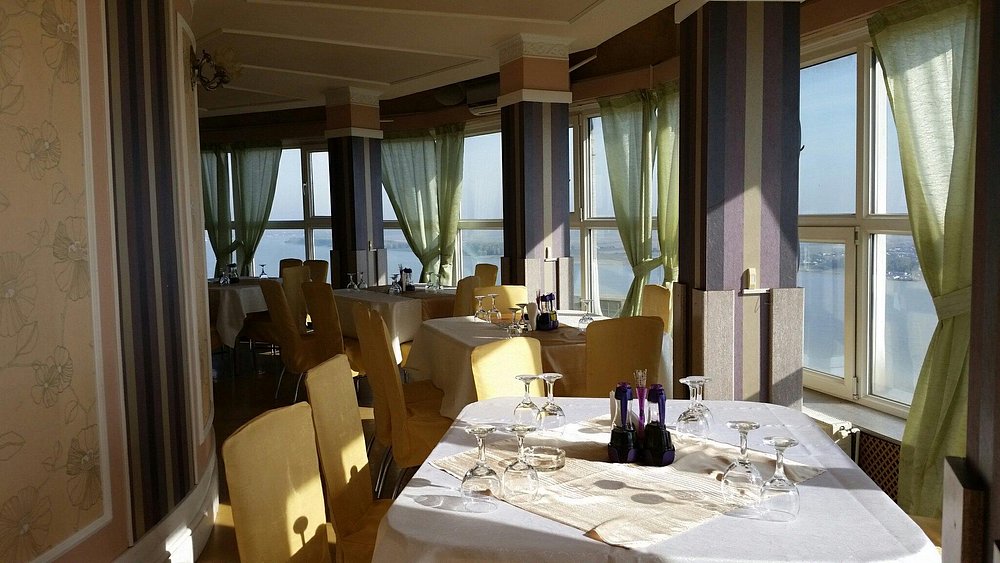
The reinforced concrete tower was built in the 1970s and represented a technological achievement at the time, serving as a broadcasting station for radio, television, and special telecommunications. Today, the tower also houses a restaurant that is unique in Romania. Visitors can take the elevator to the upper level, situated at an altitude of about 100 meters, to dine and enjoy the impressive surrounding views.
The tower has a distinctive architecture, making it visible from a great distance. With a design unique in Romania, it is similar to two other towers, one in Toronto and the other in Berlin.
"Răsvan Angheluţă" Natural Sciences Museum Complex
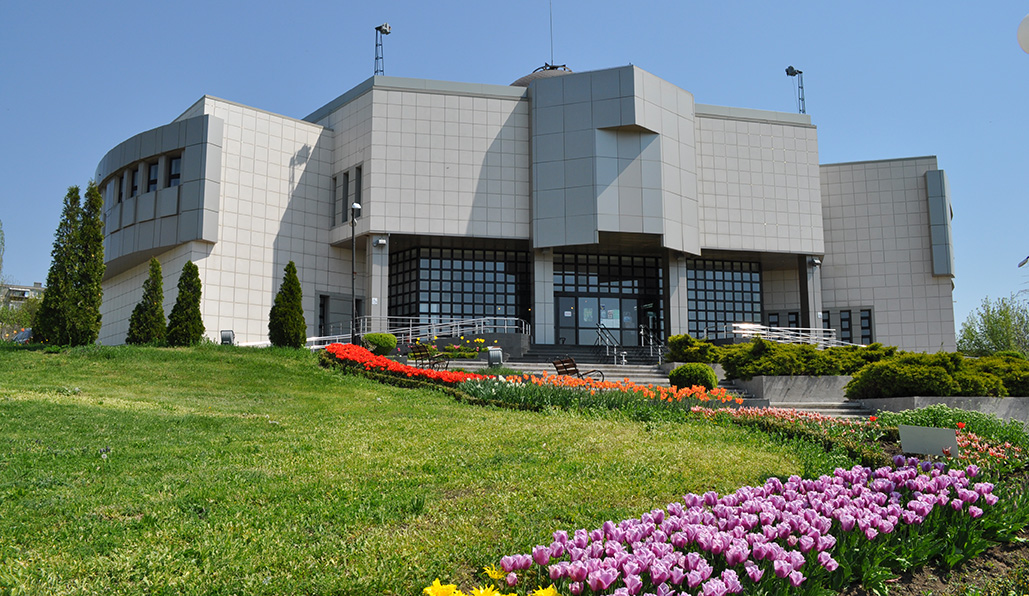
No list of tourist attractions would be complete without this important institution for nature and science enthusiasts. The museum was founded in the 1950s and was developed continuously, becoming a leading center in its field.
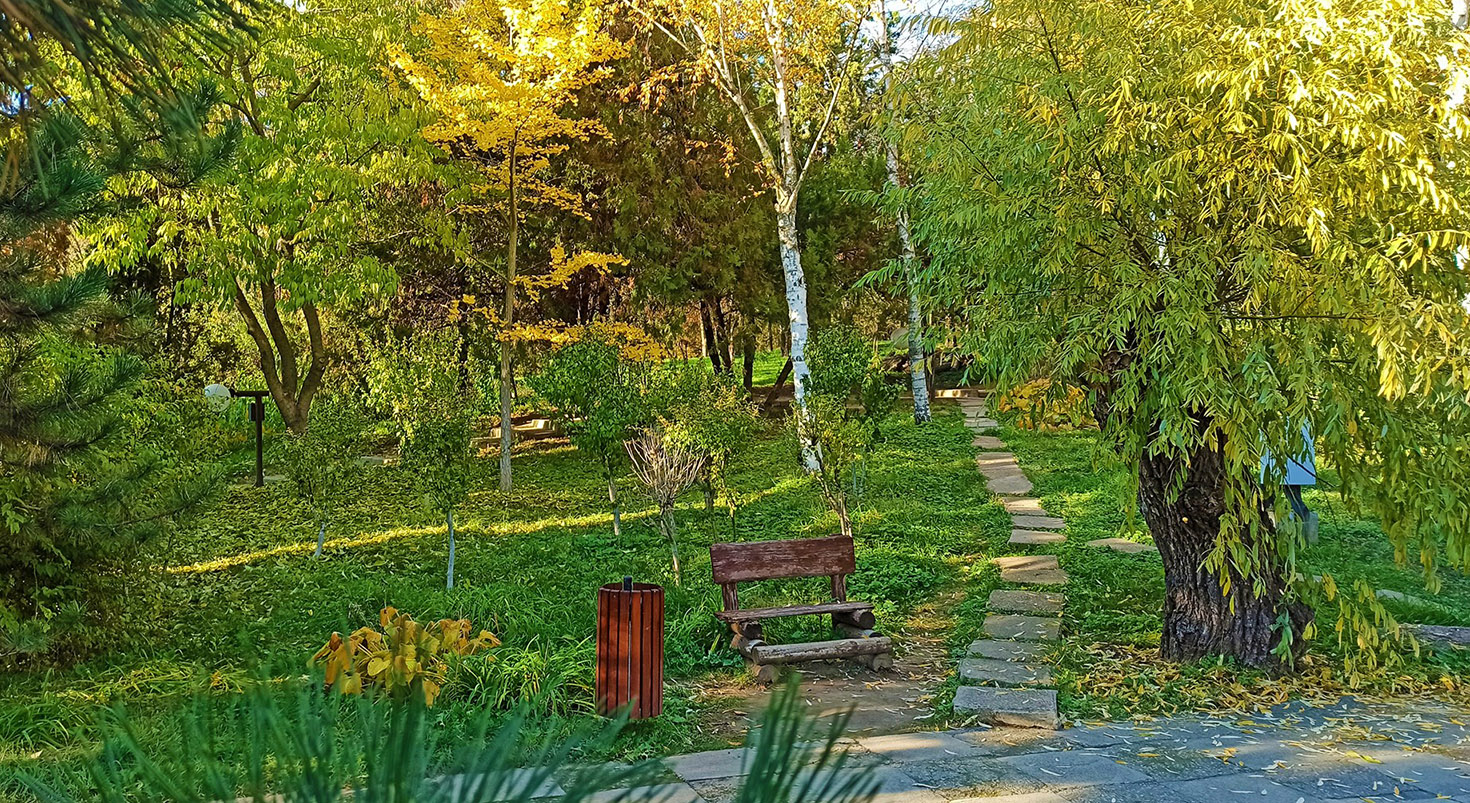
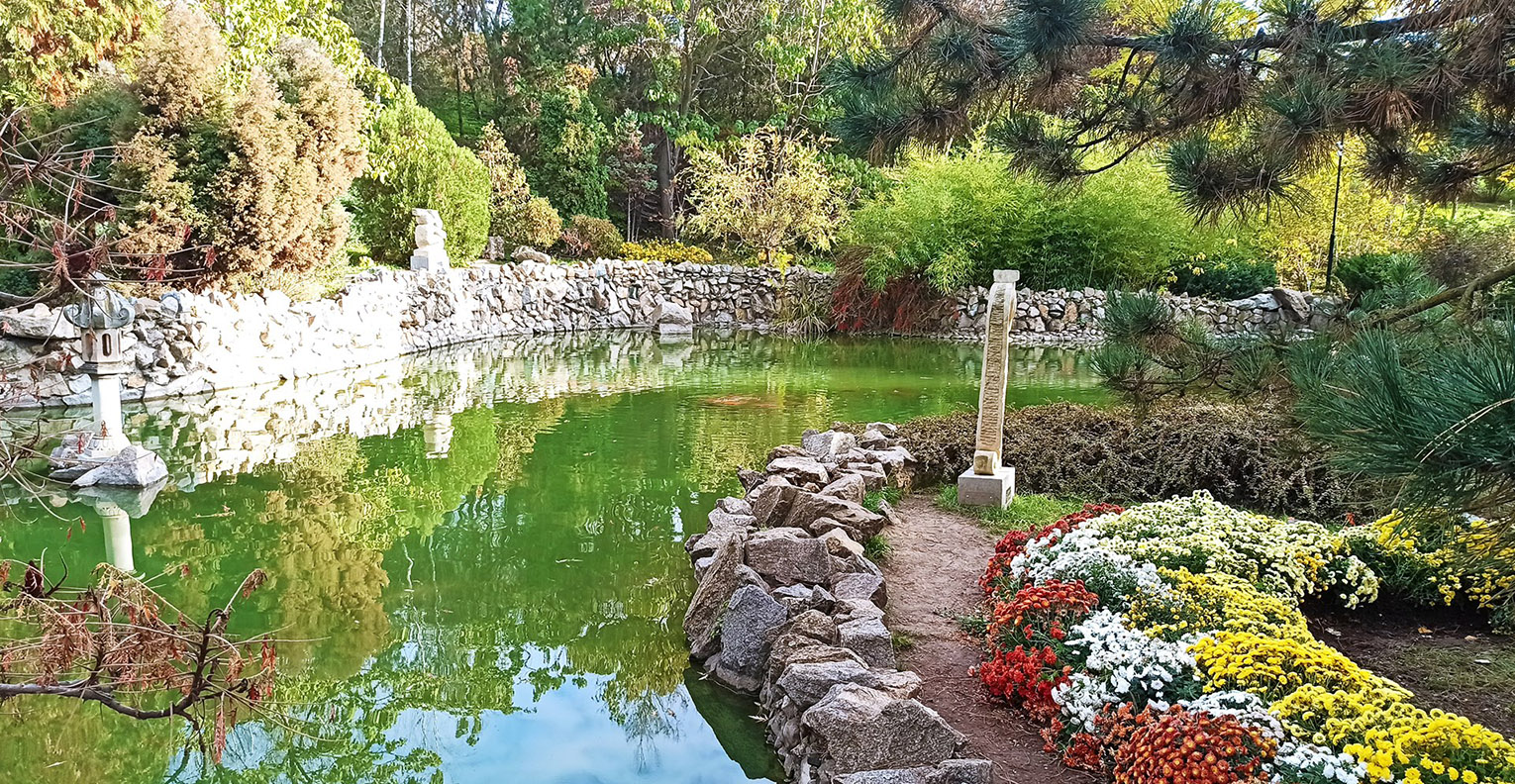
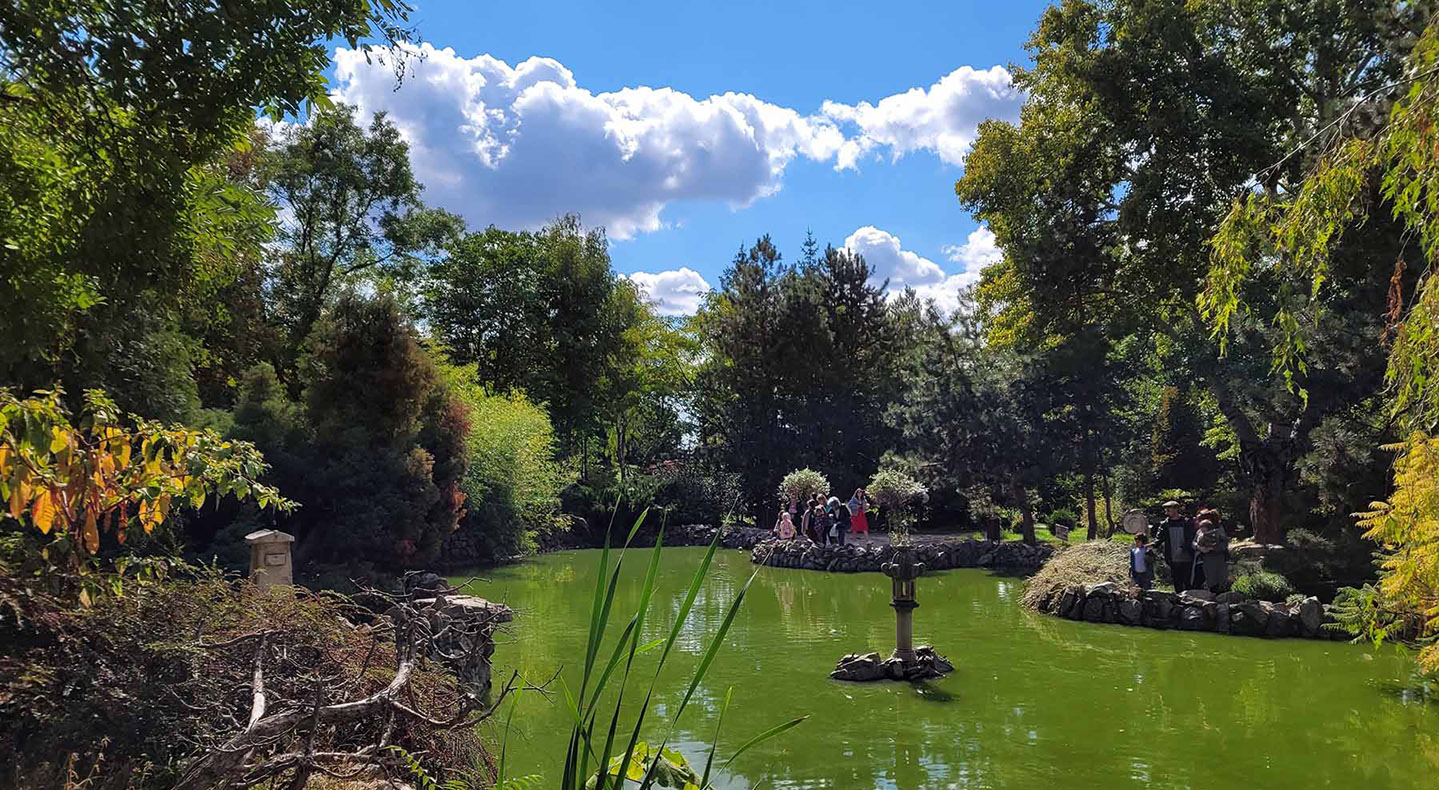
The Botanical Garden, located around the building of the Museum Complex and covering an area of approximately 18 hectares, offers visitors excellent moments of relaxation through the flora and vegetation it hosts.
The Aquarium features an impressive collection of fish species from the Danube, the Mediterranean Sea, as well as tropical freshwater ichthyofauna.
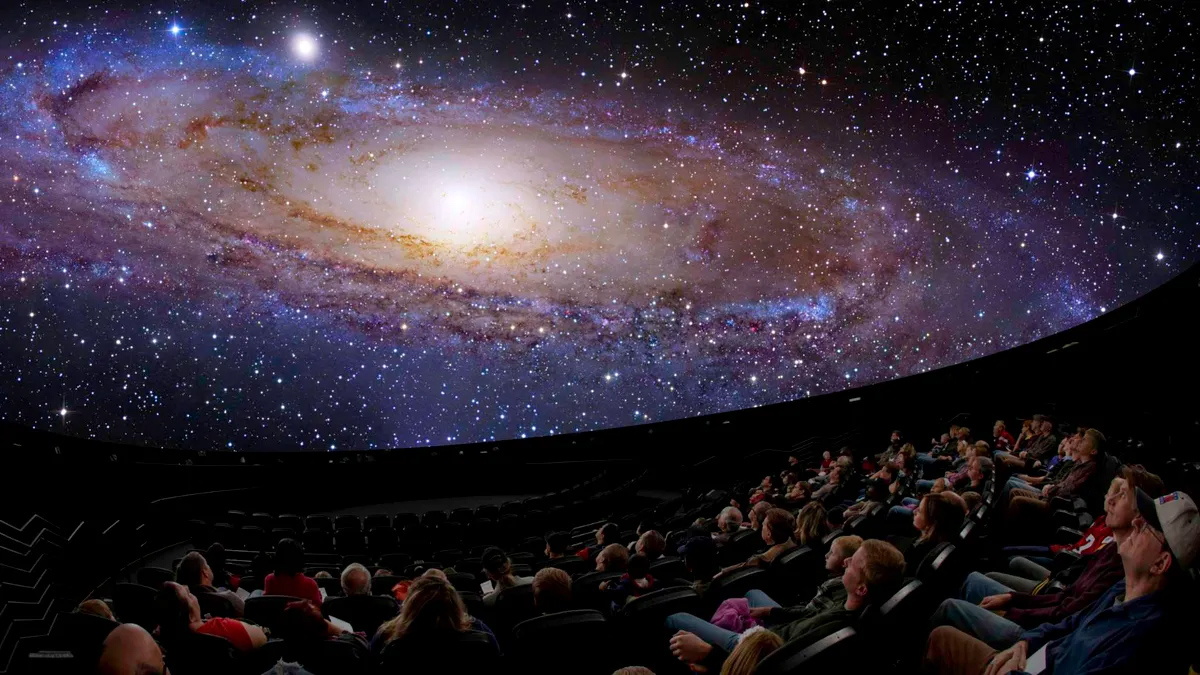
The Planetarium is equipped with a state-of-the-art digital projection system. Visitors can also explore two permanent exhibitions dedicated to the Solar System and the Universe.
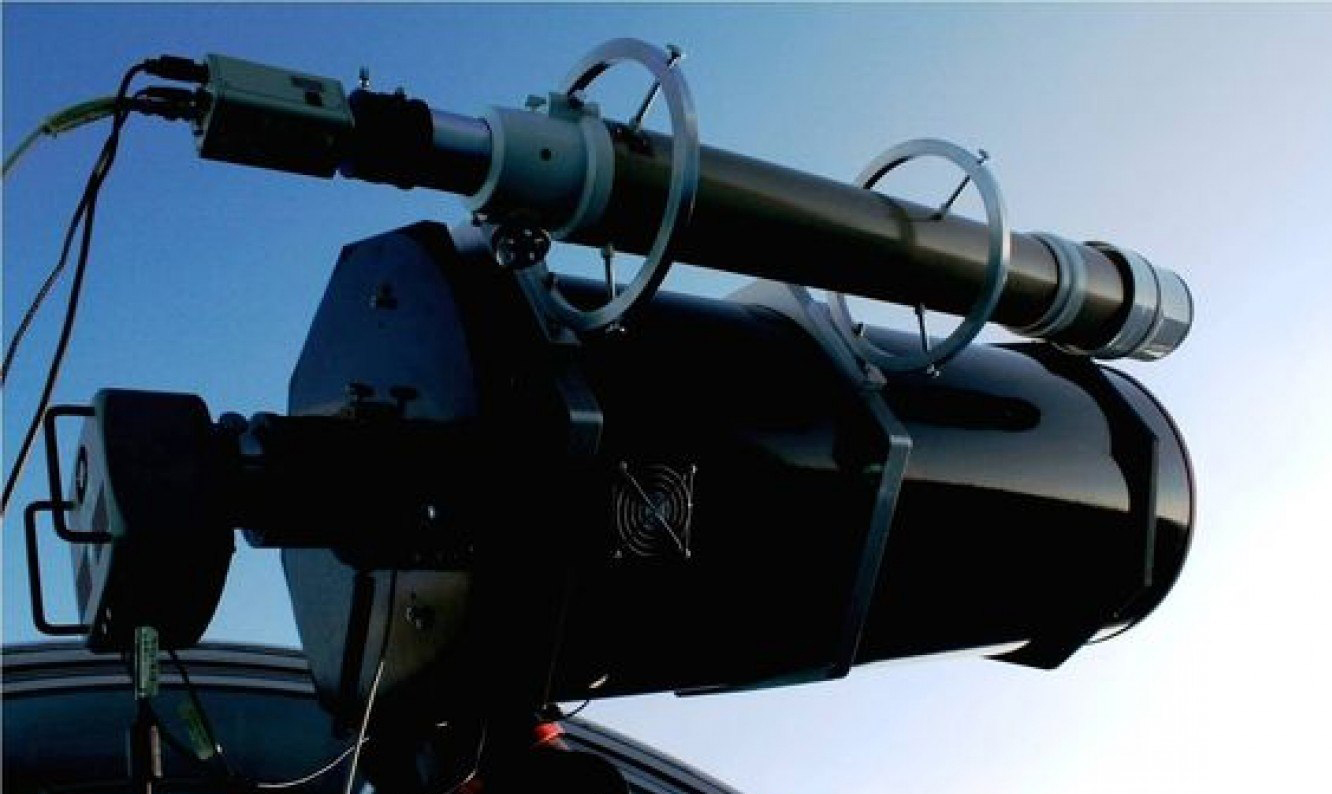
The Astronomical Observatory is the largest and most modern public observatory in the country, featuring a retractable roof and a state-of-the-art optical system, the only one of its kind in Romania.
A special feature of the Botanical Garden is the Sensory Garden, unique in Romania.
It brings nature closer to visitors. Covering an area of 750 square meters, it includes five vertical gardens, five sections with aromatic and useful plants, as well as a therapeutic pathway—where visitors can walk… barefoot.
The pathway is made of various natural materials — stone, sand, cones, tree bark, and logs — stimulating the sense of touch and offering a genuine relaxation therapy through direct contact between the bare feet and these natural elements. The area is complemented by wooden loungers, where visitors can listen to the sounds of nature and enjoy the fragrance of the plants.
The Public Garden
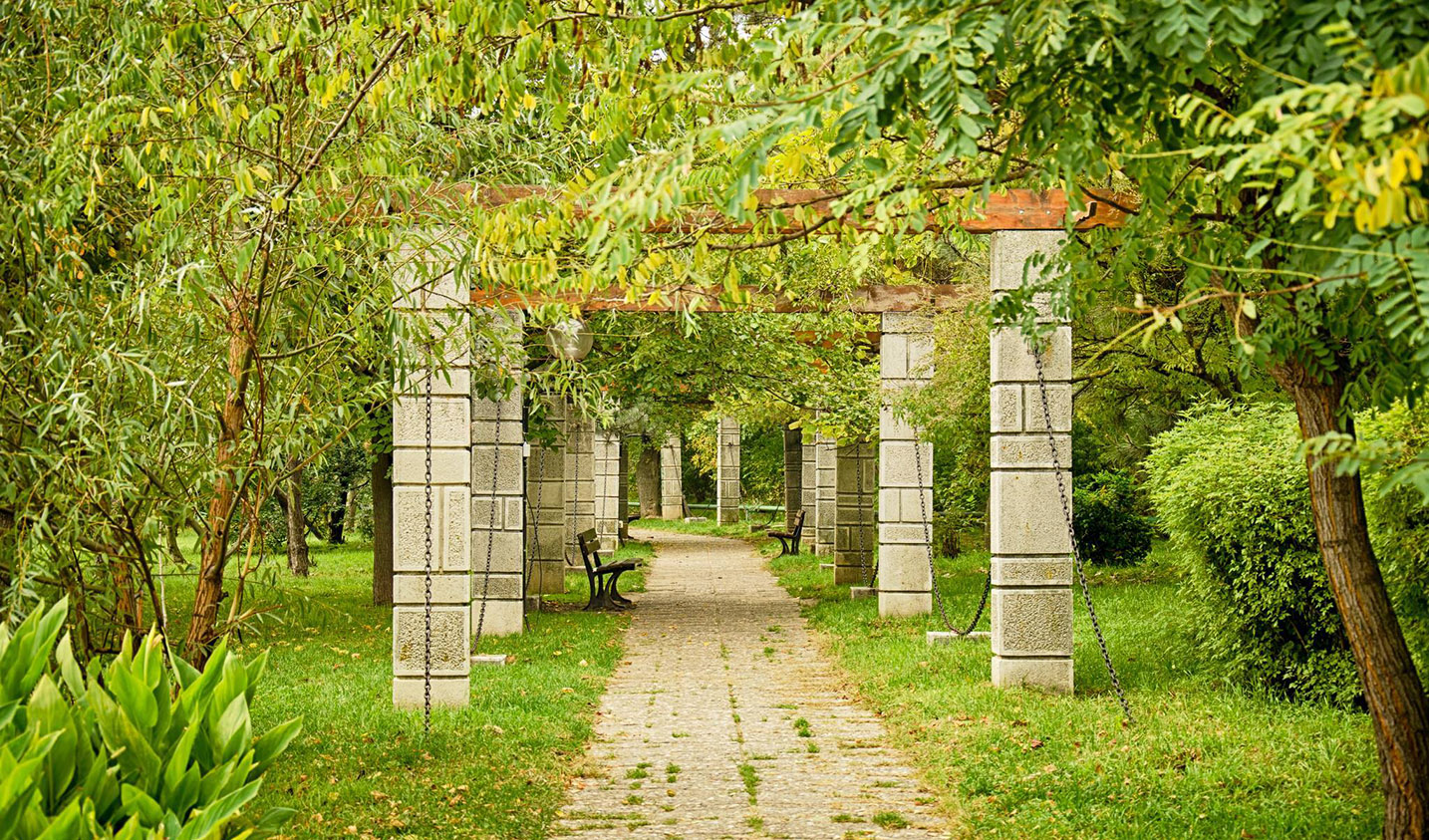
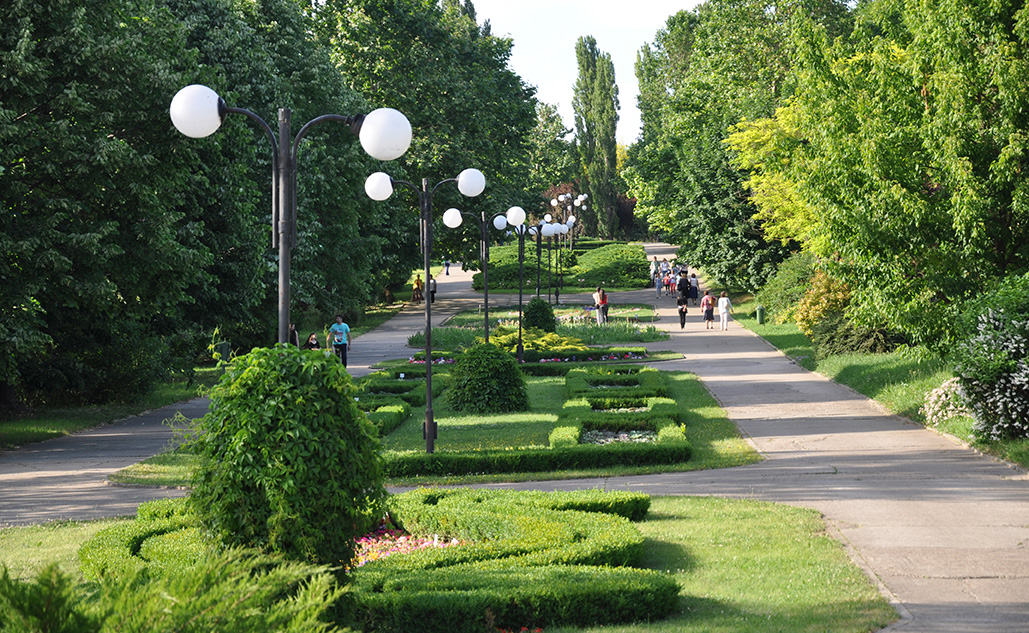
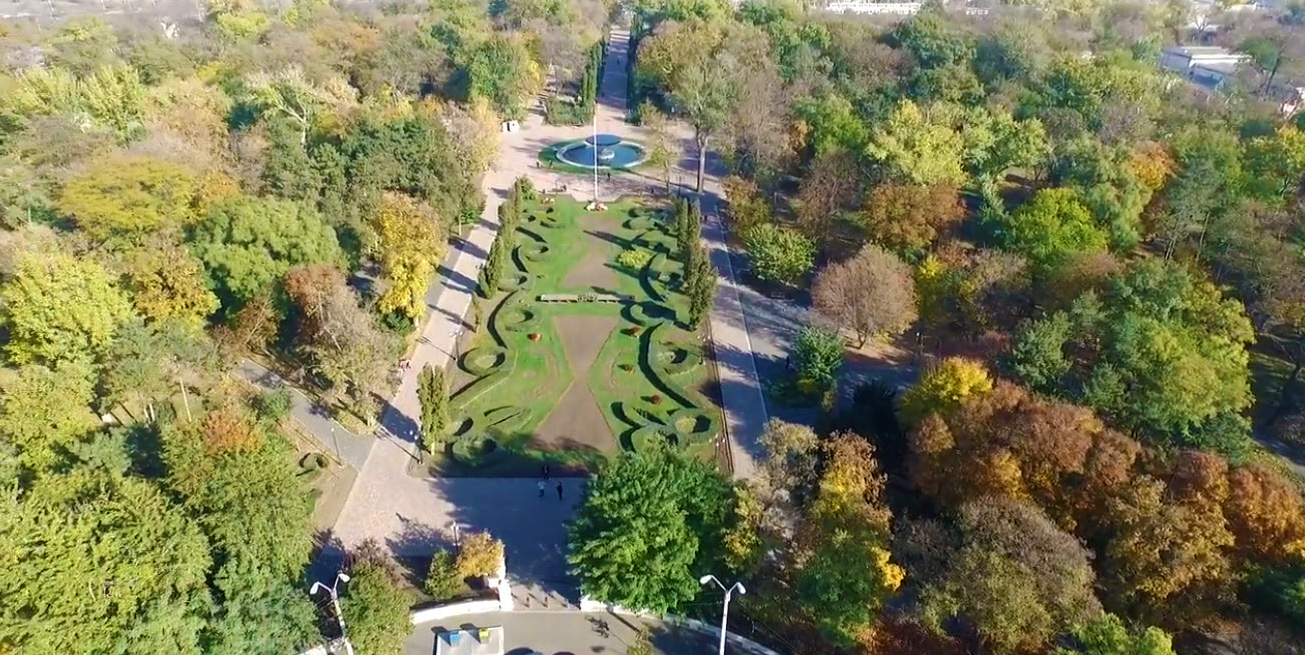
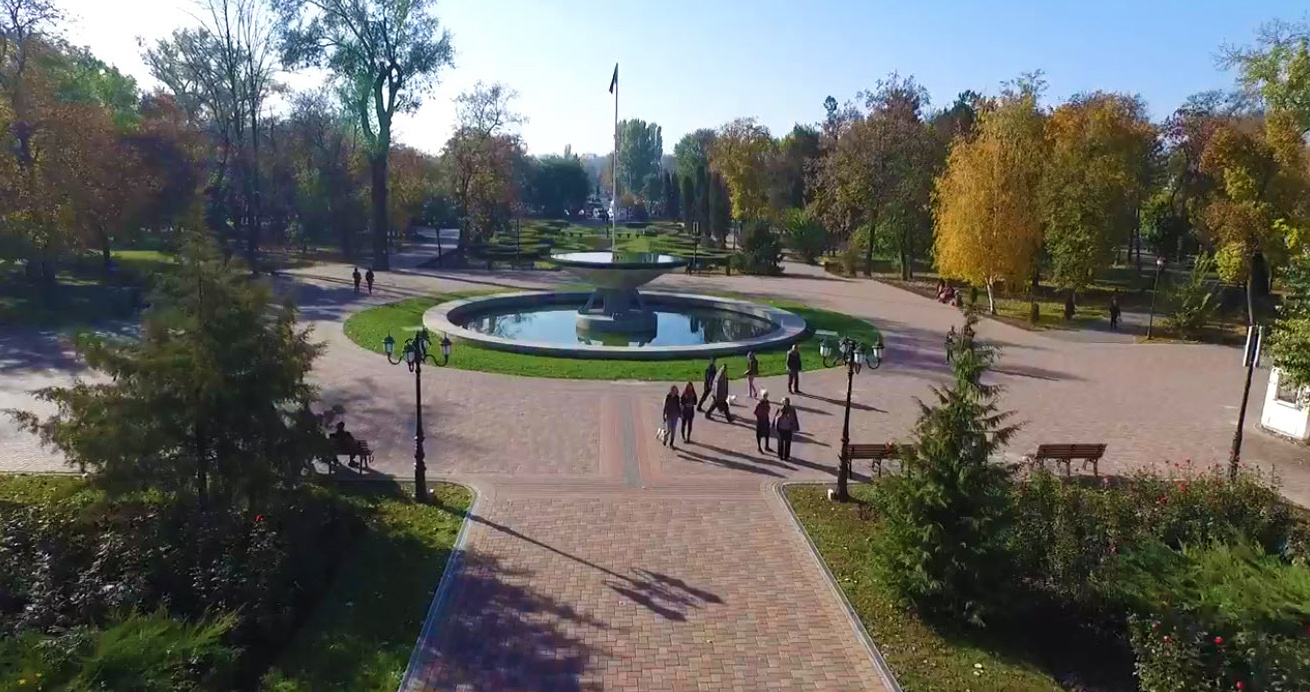
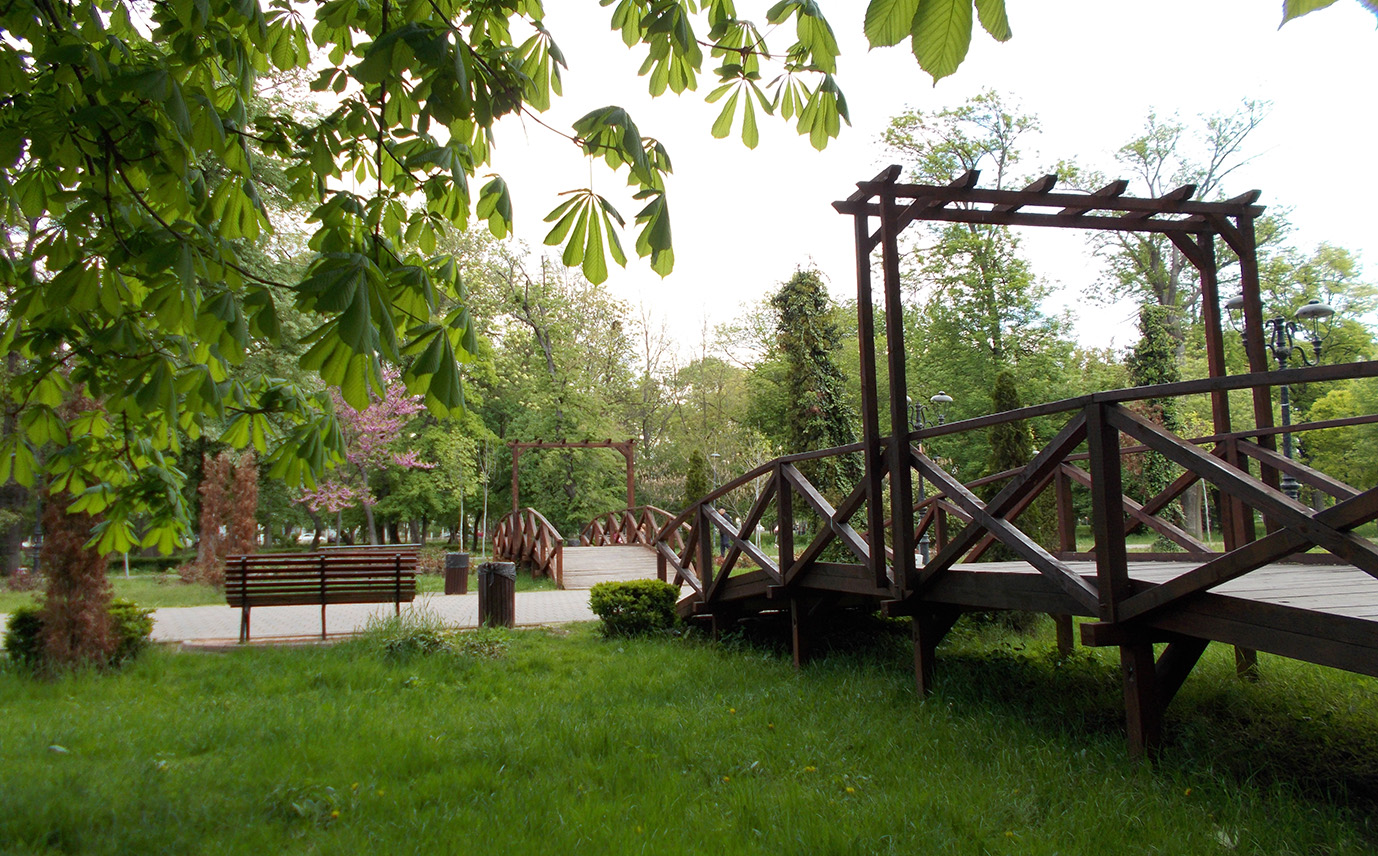
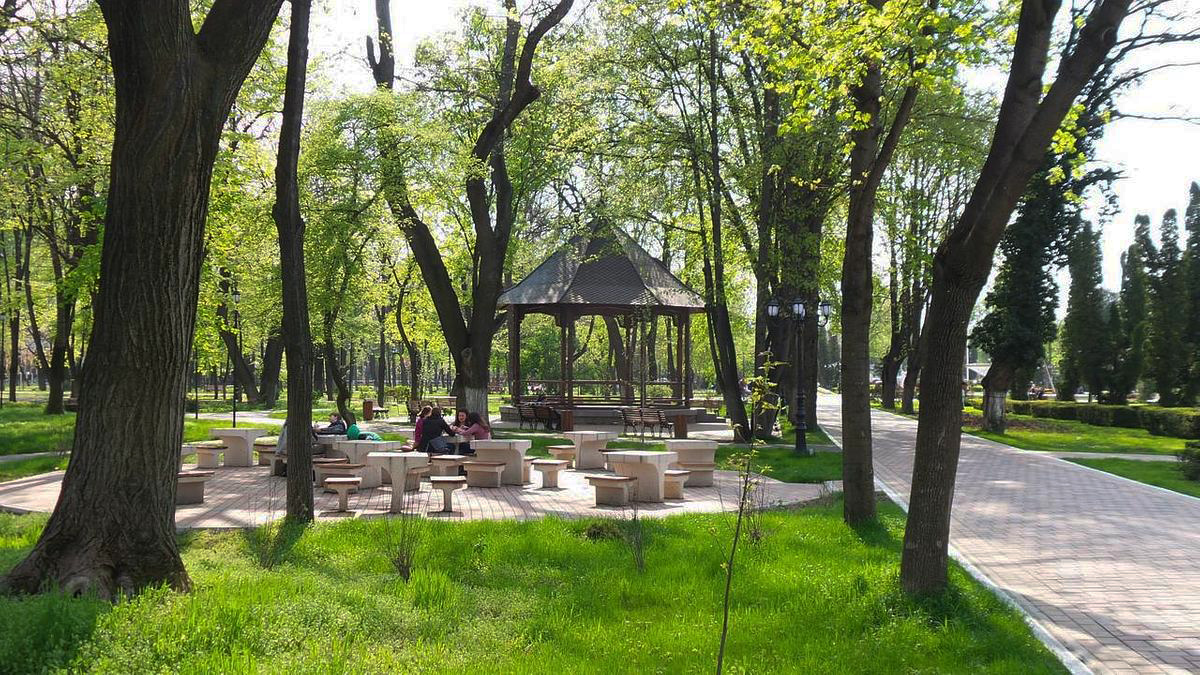
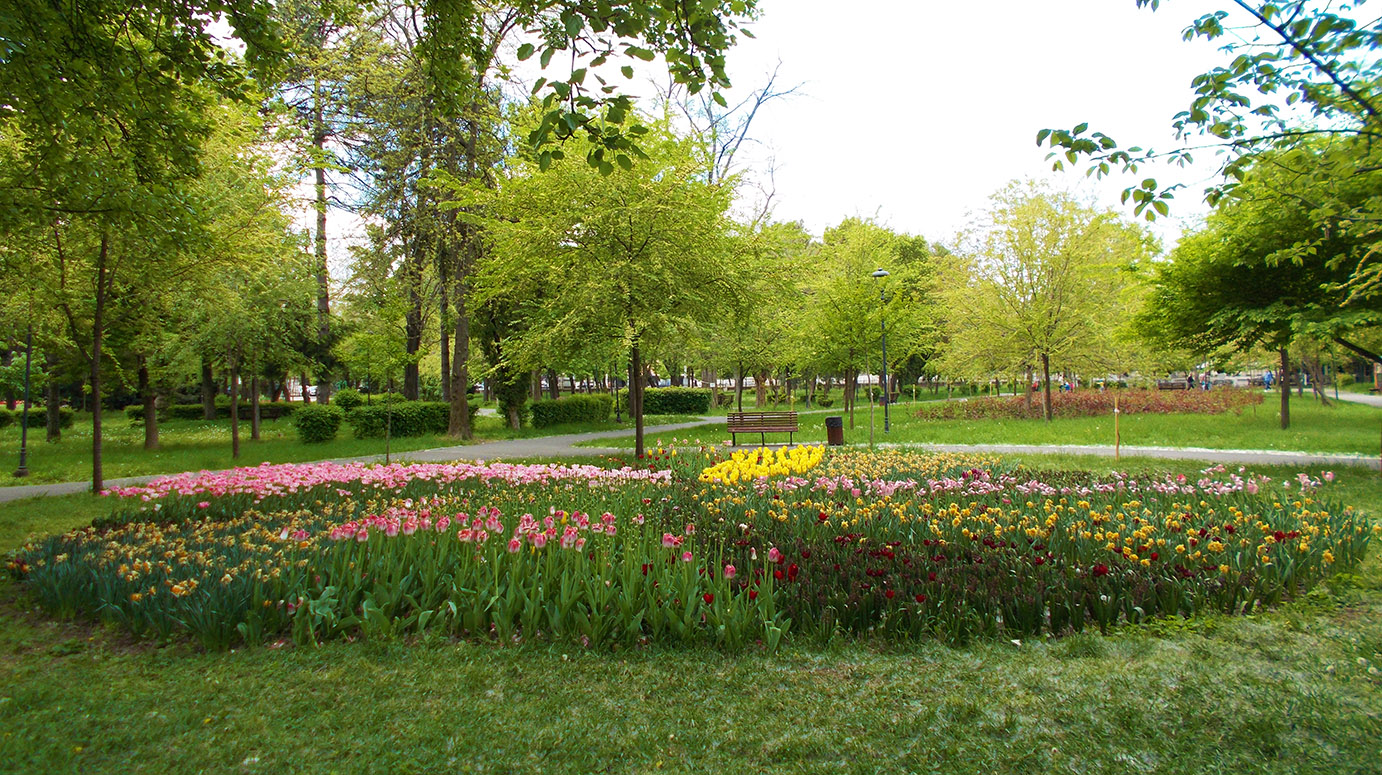
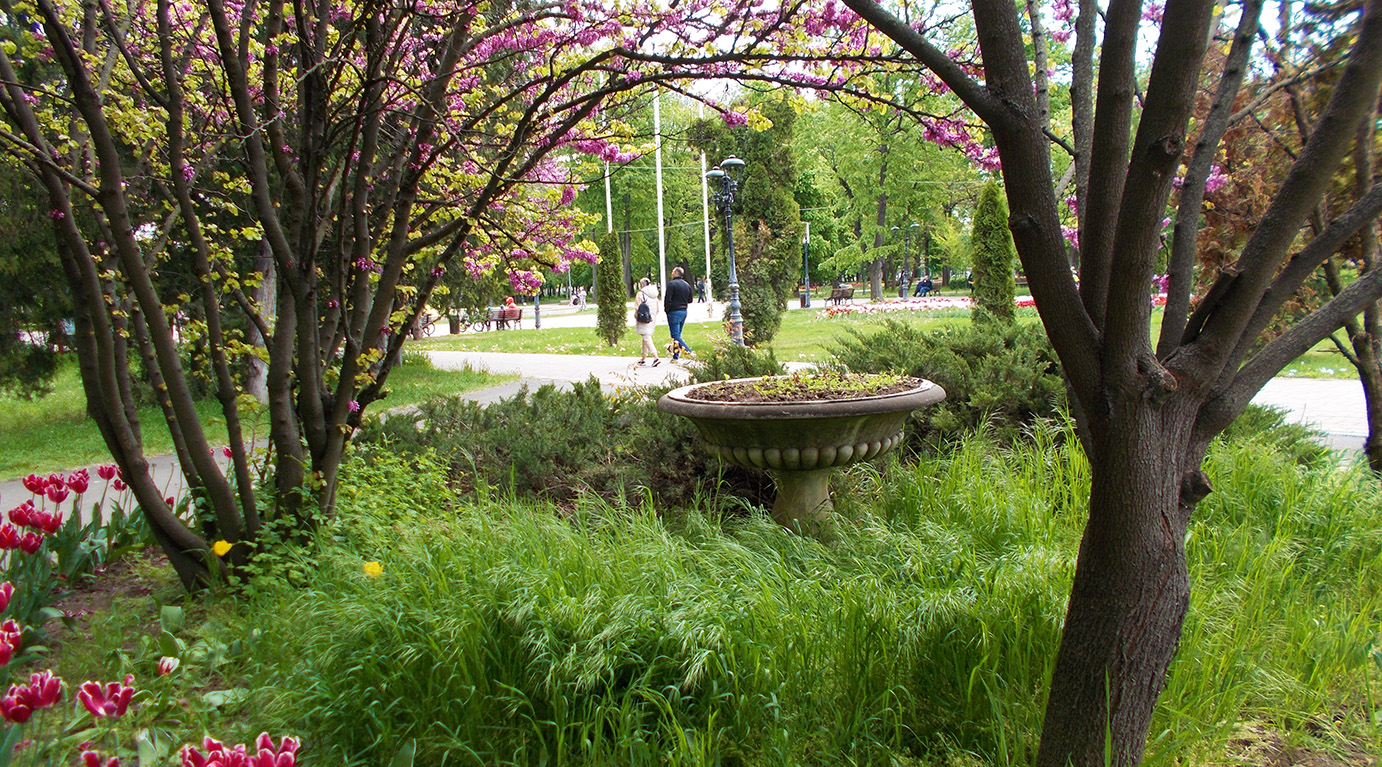
The Public Garden of Galați is not just a simple park, but a symbol of the community and a witness to the city’s transformations over the decades. With its shaded alleys and well-maintained green spaces, the Public Garden offers both locals and visitors a peaceful retreat filled with natural beauty.
Founded in the 19th century and covering an area of approximately 100,000 square meters, the Public Garden of Galați is one of the oldest and most appreciated green spaces in the city. It was designed to provide residents with a place for recreation and relaxation, away from the bustle of urban life.
Over the years, the park has hosted numerous cultural and social events, from open-air concerts to exhibitions and festivals. These activities not only bring life to the park but also contribute to the cultural vitality of the city.
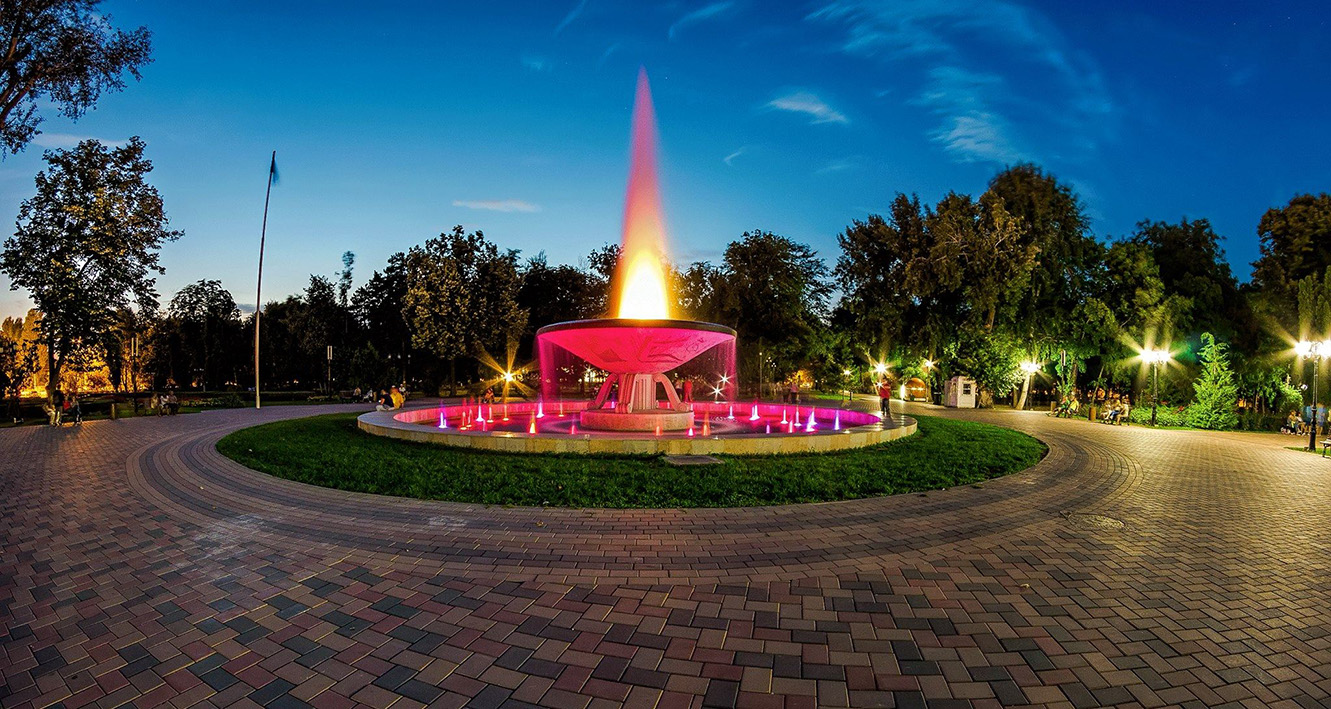
At the center of the garden lies the artesian fountain, built in 1964 based on the design of sculptor Nae Constantinescu. It features a marble outline in the form of an ornamental mosaic, depicting - symbolically - the main economic activities of the city.
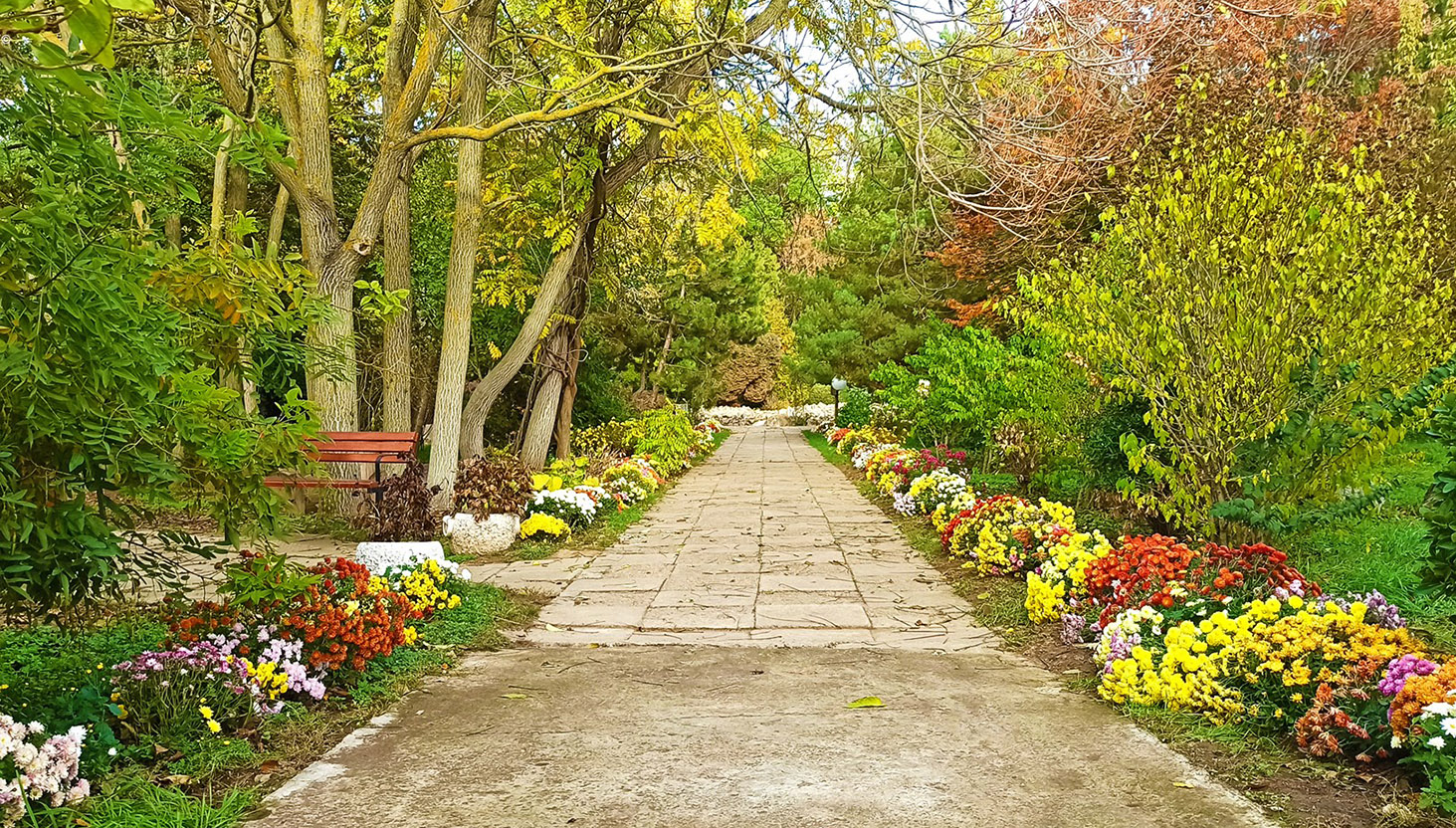
Nature is another defining element of the Public Garden, with an impressive variety of plants, trees, and colorful flowers that transform the park with each season. Nature lovers and photography enthusiasts can always find a picturesque corner to capture.
The Fortified Church Precista
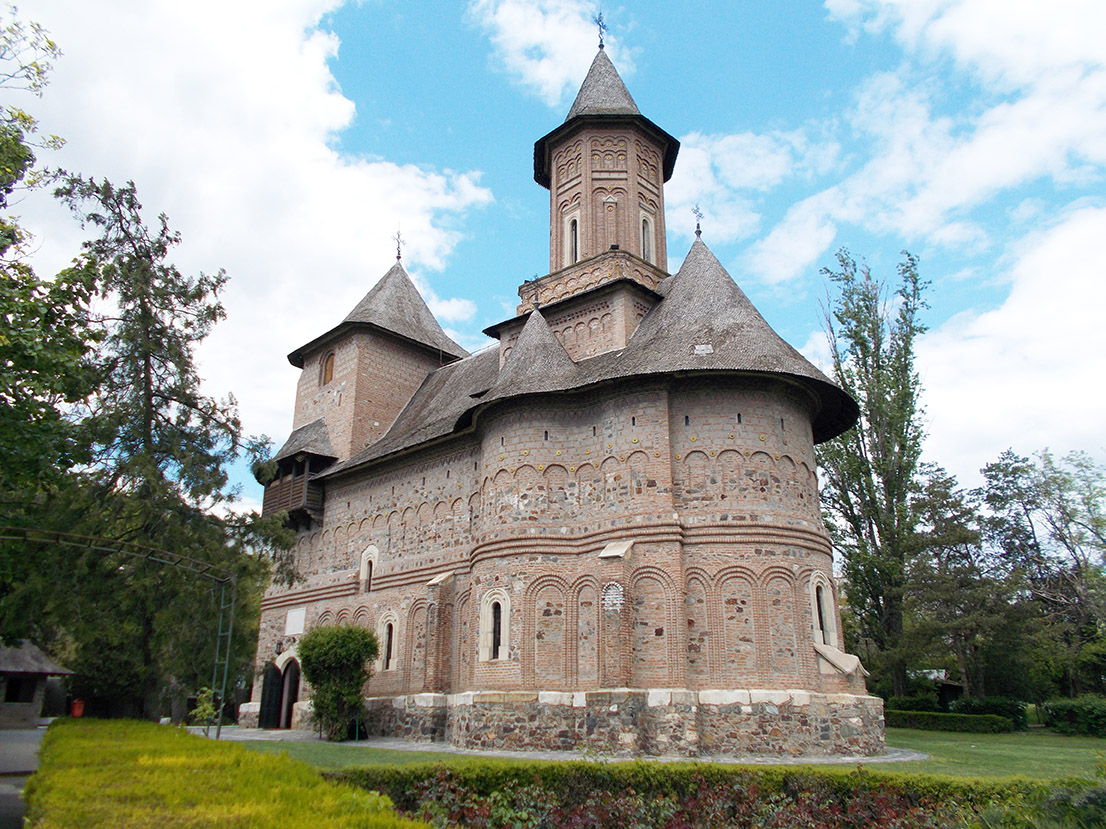
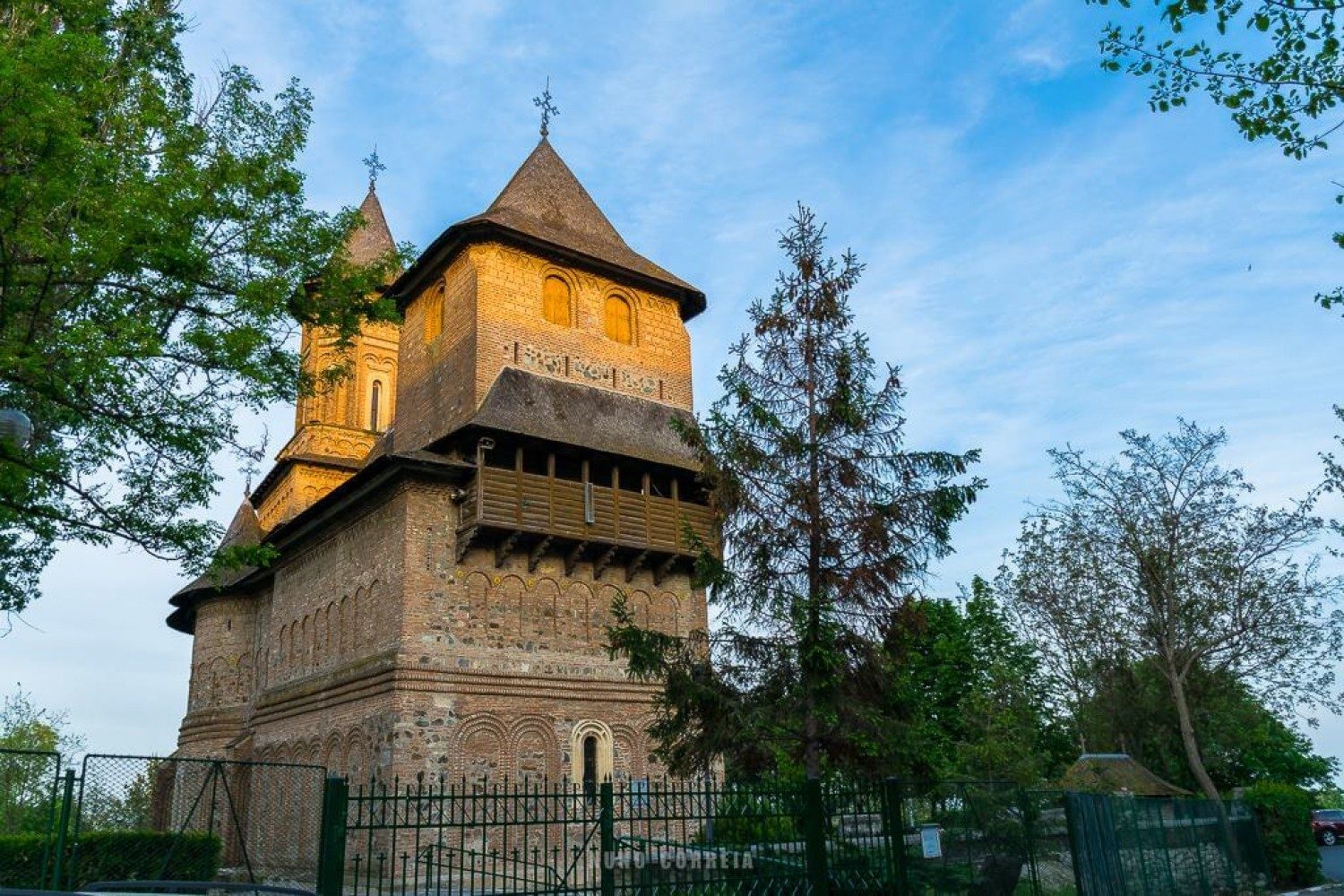
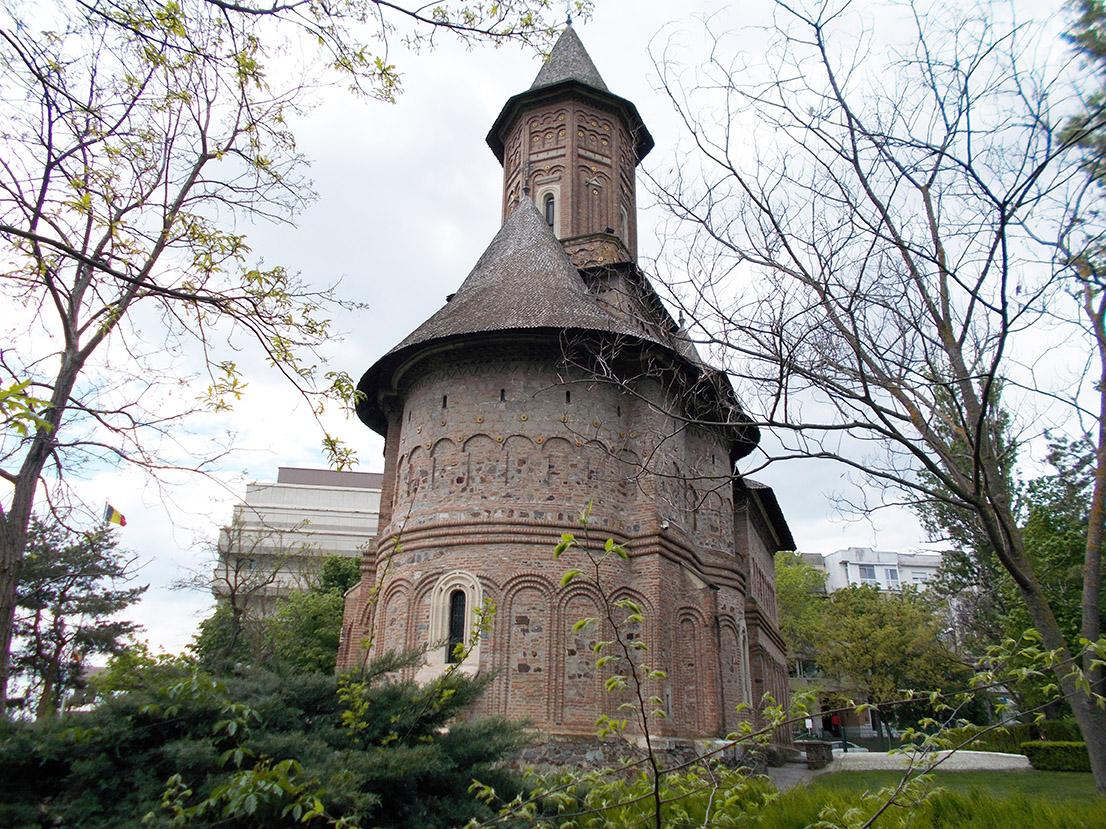
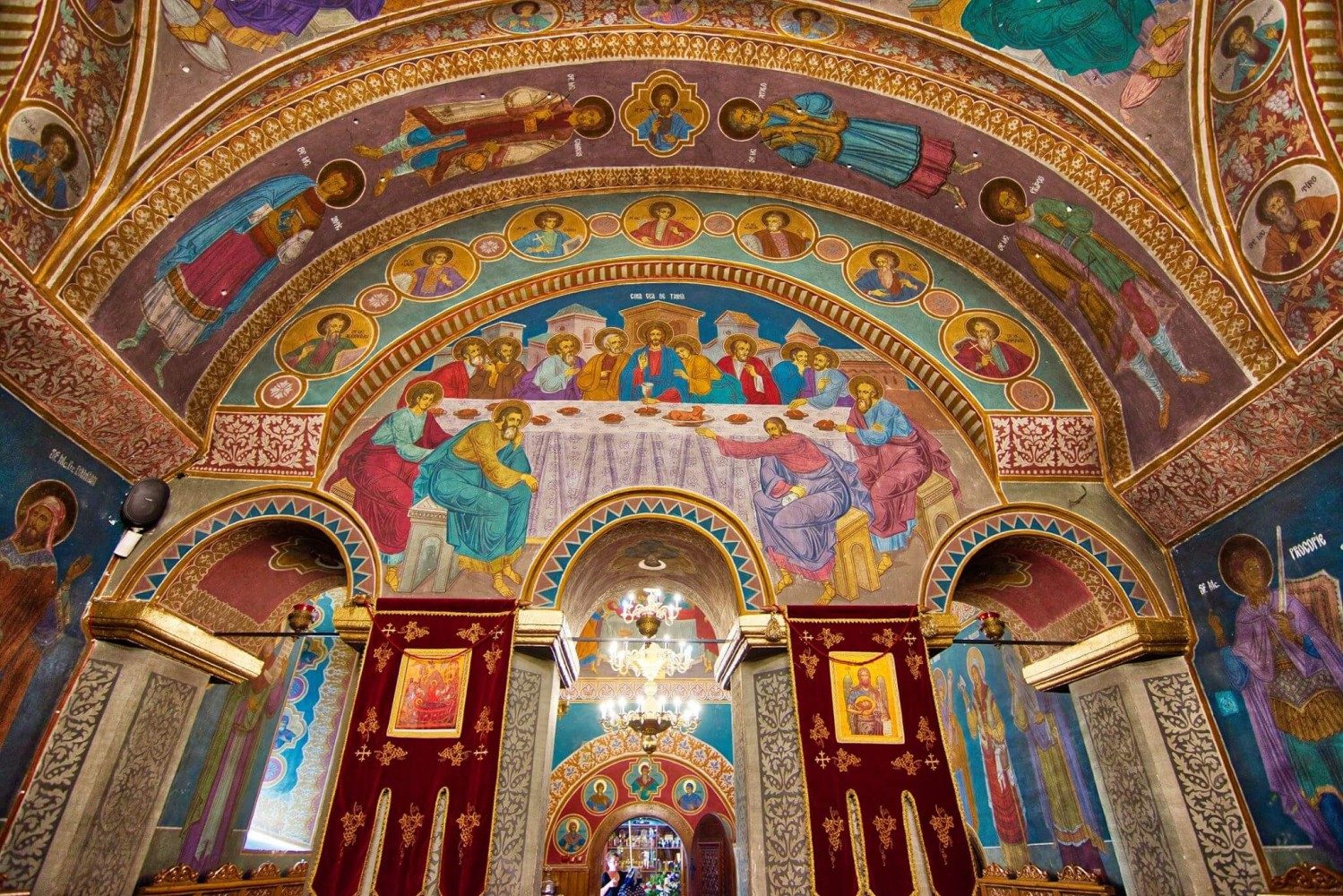
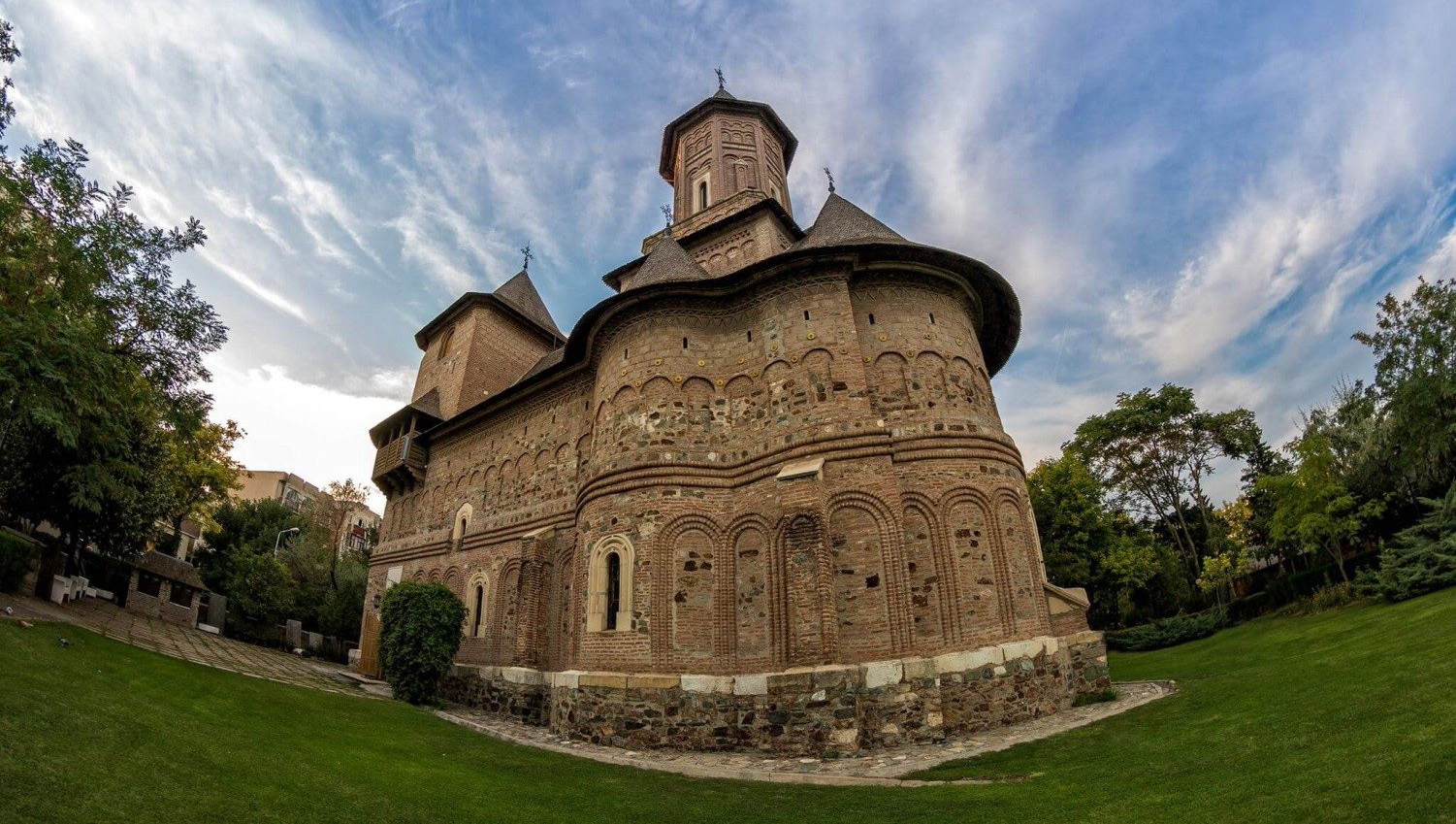
Near the eastern side of the Danube Promenade stands the oldest building in the city, the fortified church of Maica Precista (Holy Mother of God).
Completed in 1647, the church was built in an original 17th-century style, with the bell tower integrated into the main structure and a reinforced attic that served as a place of refuge and defense.
Restored after the Second World War, the Precista Church is a true monument of architecture and art, being one of the main tourist attractions in Galați.
A legend says that over 300 years ago, a tunnel was dug beneath the riverbed, connecting it to the Tulcea bank of the Danube, with the entrance to this escape route located through the altar of the Precista Church.
Throughout its history, the church has suffered significant damage. Today, only parts of the original structure remain: the walls, a portion of the base of the nave tower, and part of the defensive tower above the open porch on the western side.
The "Paul Păltănea" History Museum
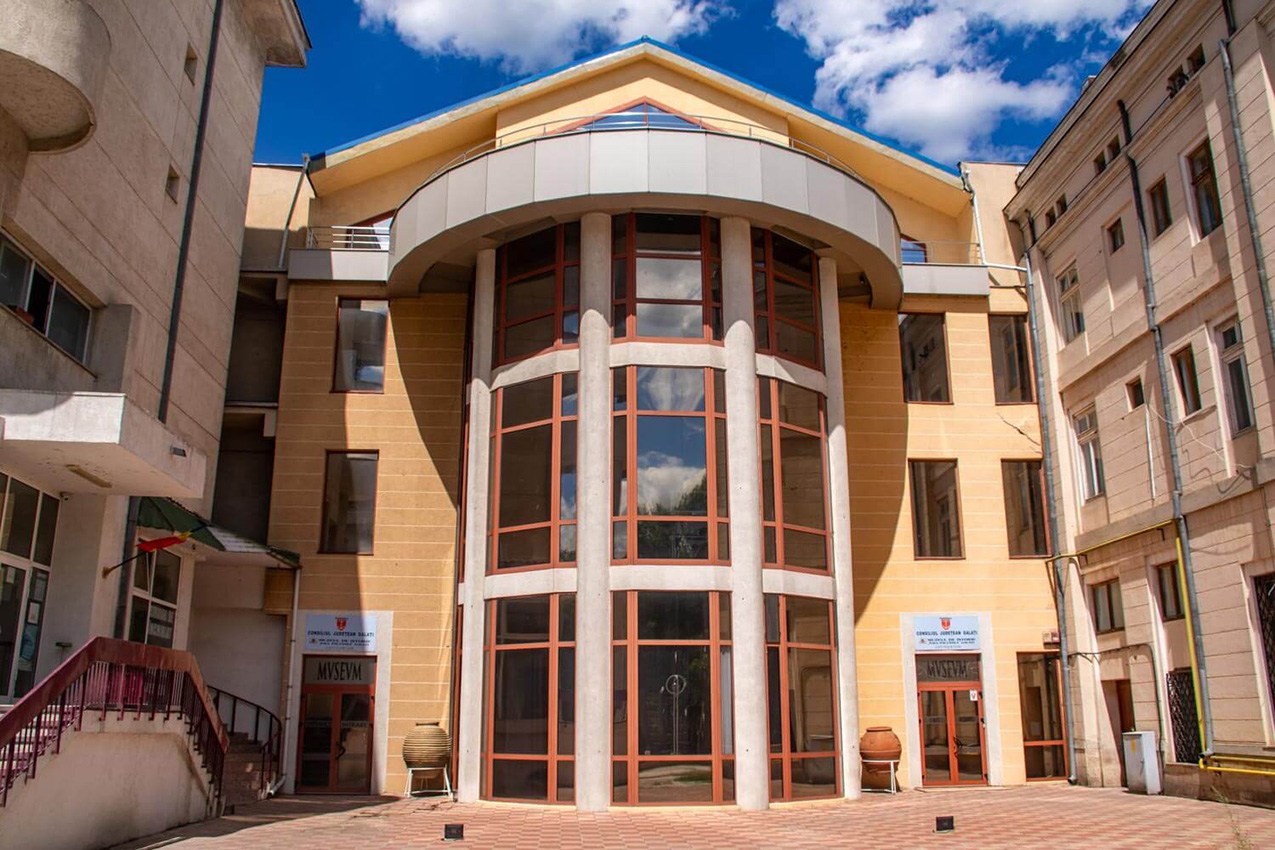
The beginnings of museology in Galați date back to the late 19th century, following the donation made by the academician Vasile Alexandrescu Urechia.
During the Second World War, the museum was closed, its collections were evacuated, and part of them were lost. Scientific activity resumed in 1951–1952, when the collections were reorganized into distinct sections, particularly in the fields of natural sciences and fine arts.
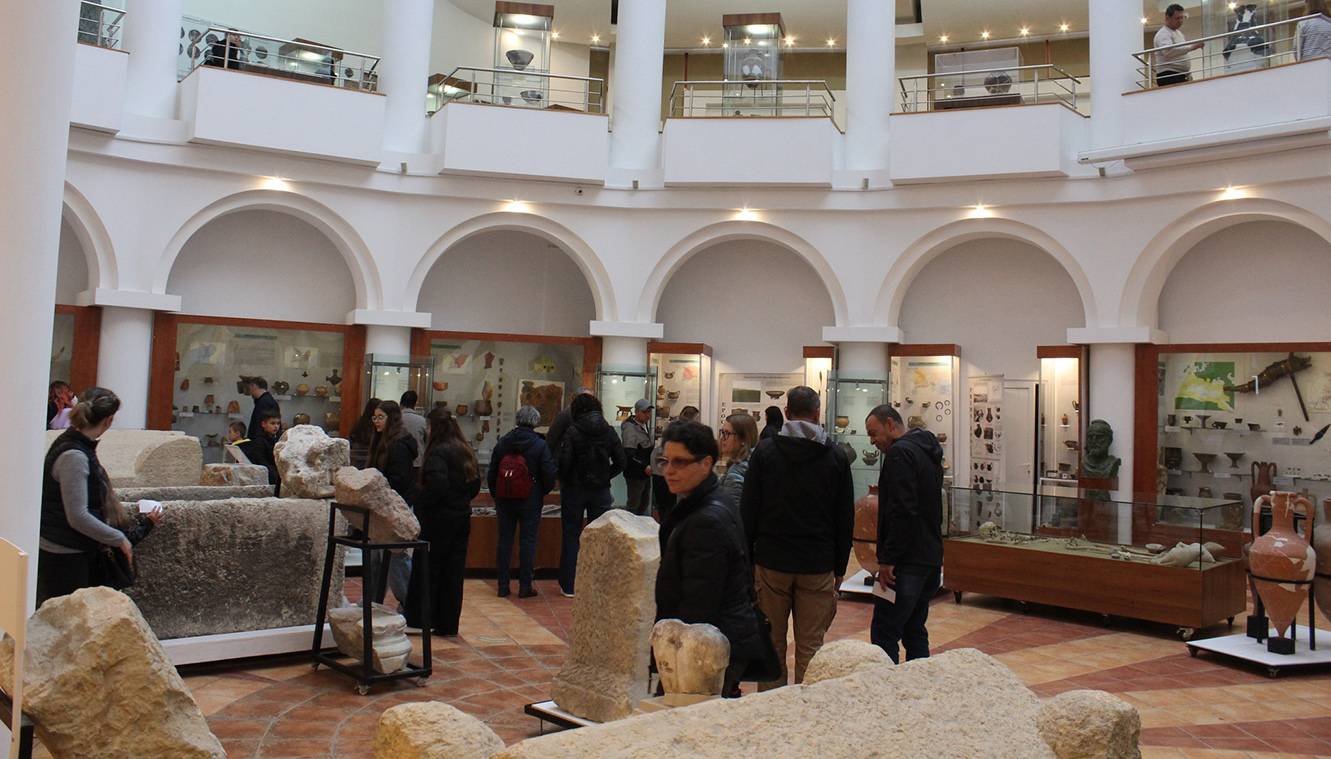
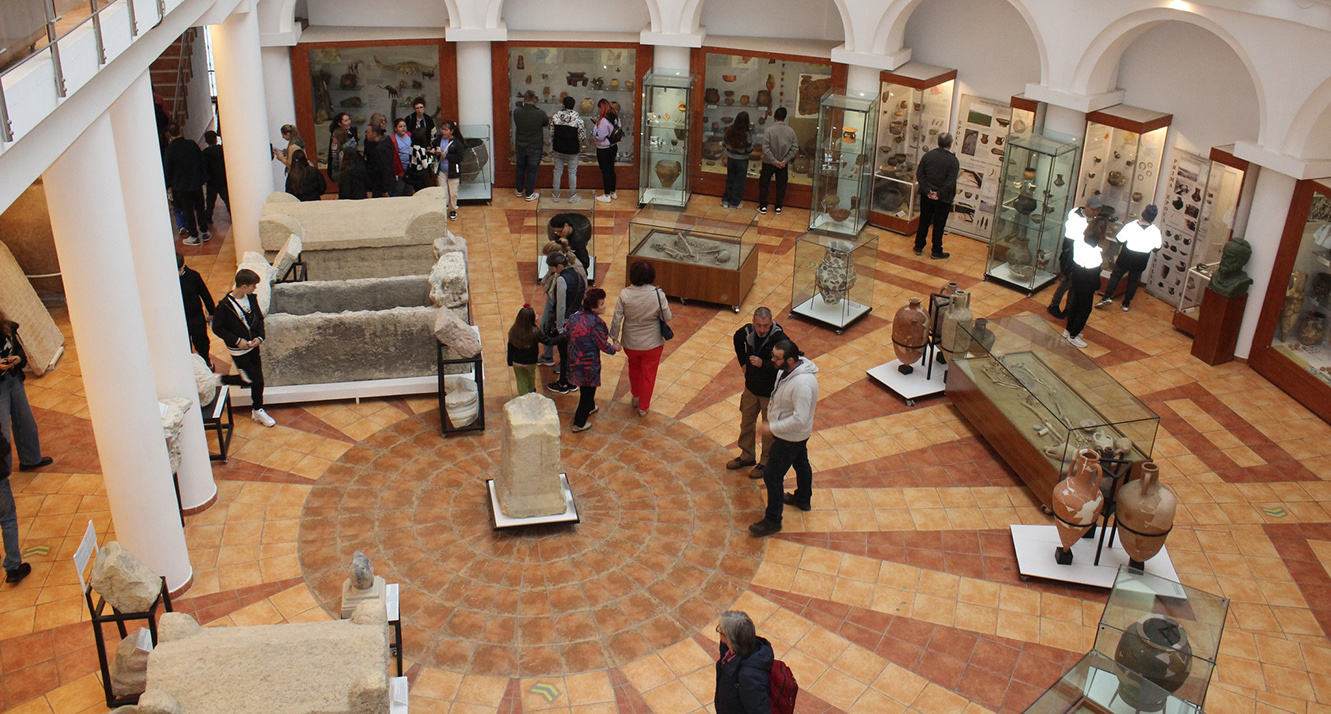
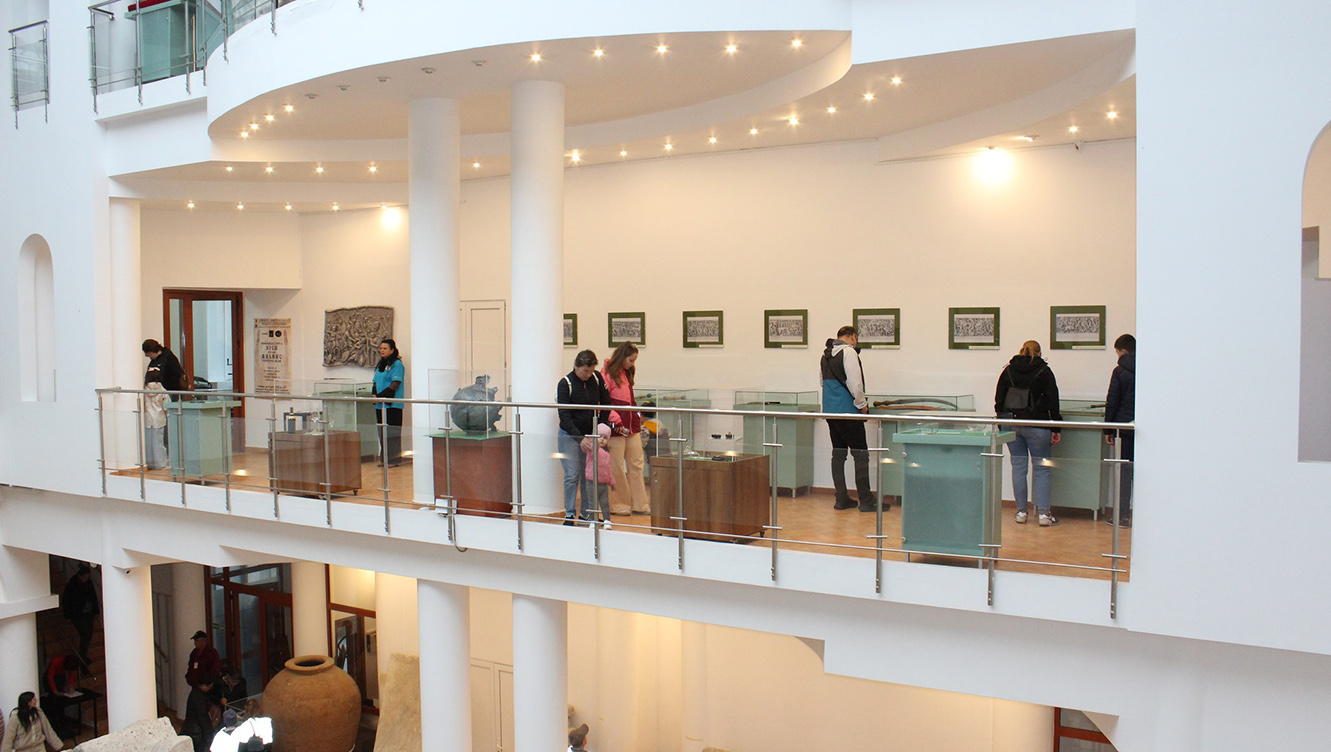
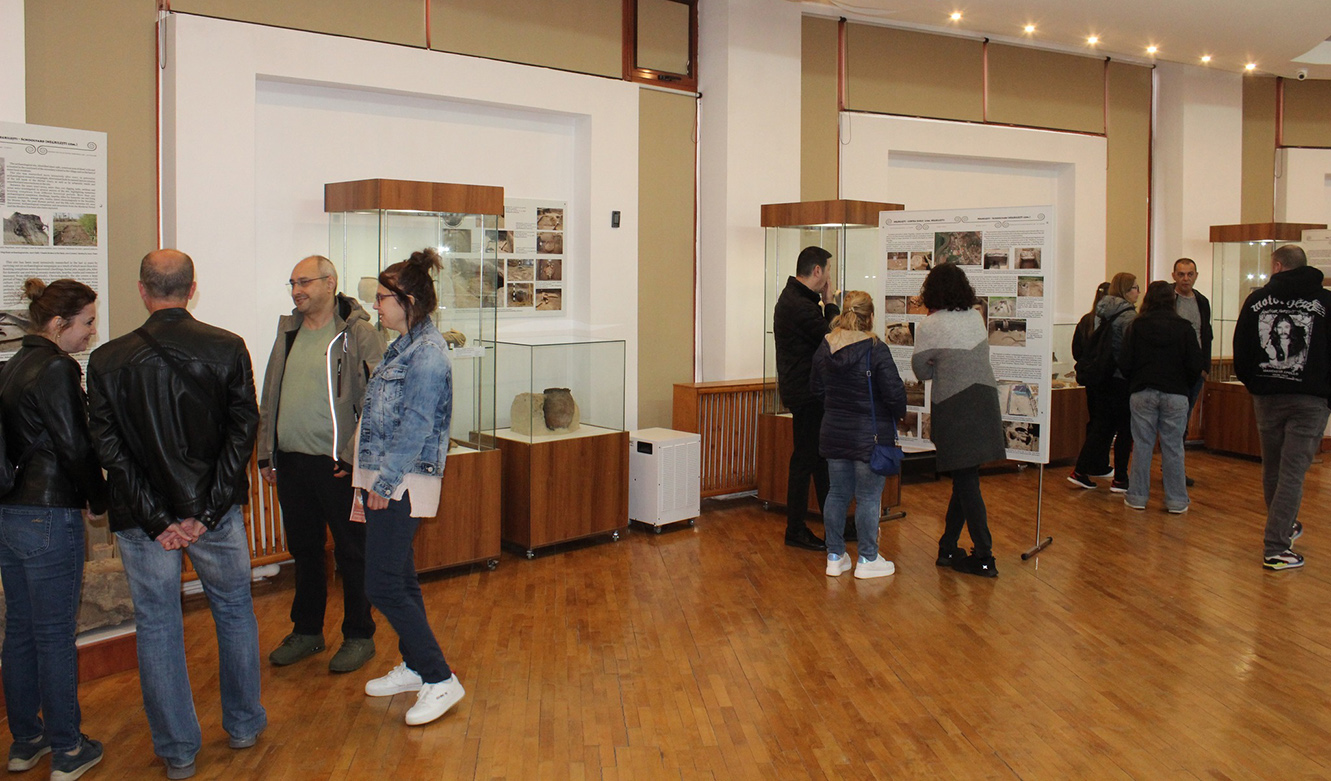
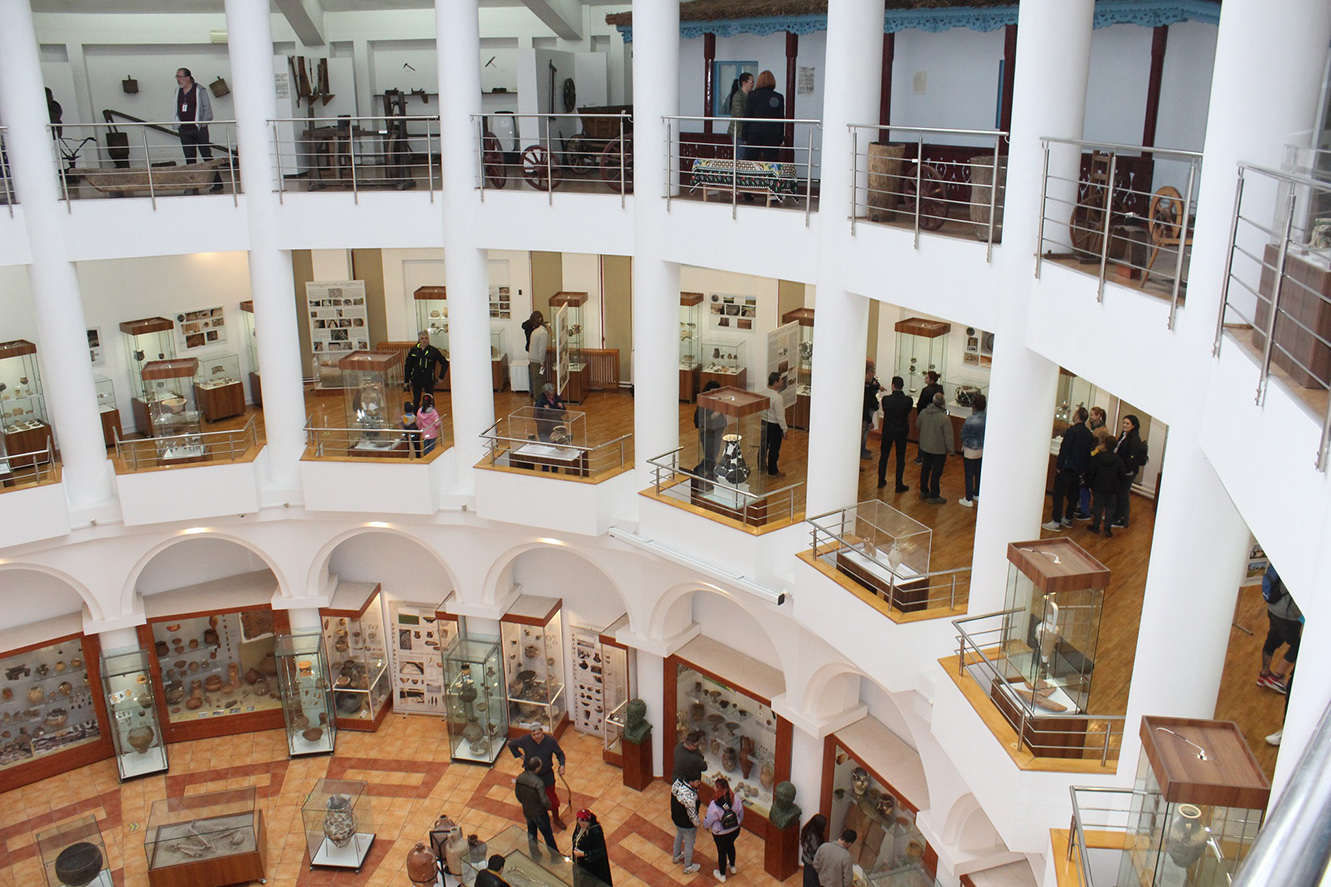
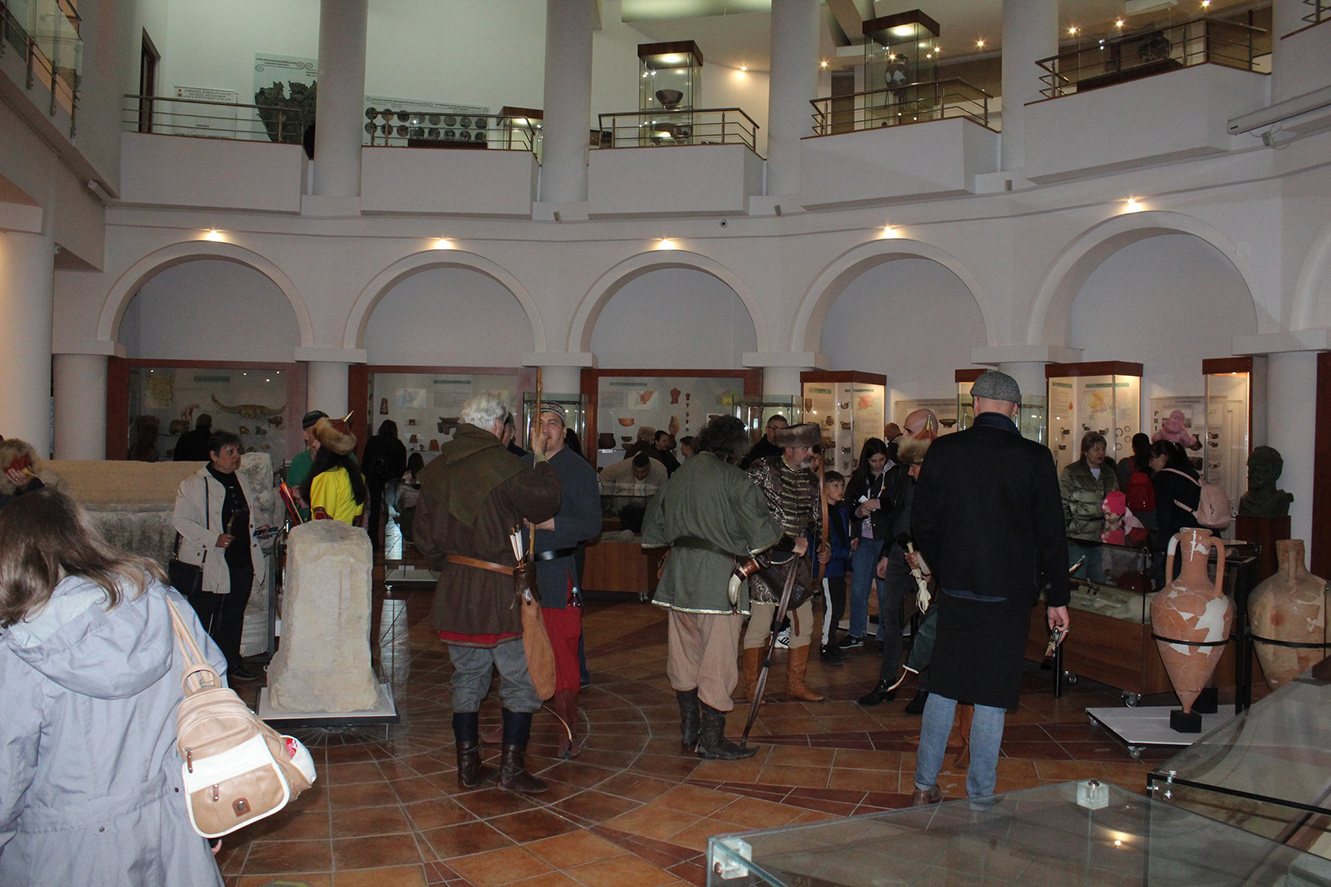
Over time, the collections of the History Museum were enriched through acquisitions and archaeological research carried out in southern Moldavia, especially at the Roman castrum of Tirighina-Bărboși. Today, the museum holds a heritage of over 50,000 cultural assets, some of exceptional importance.
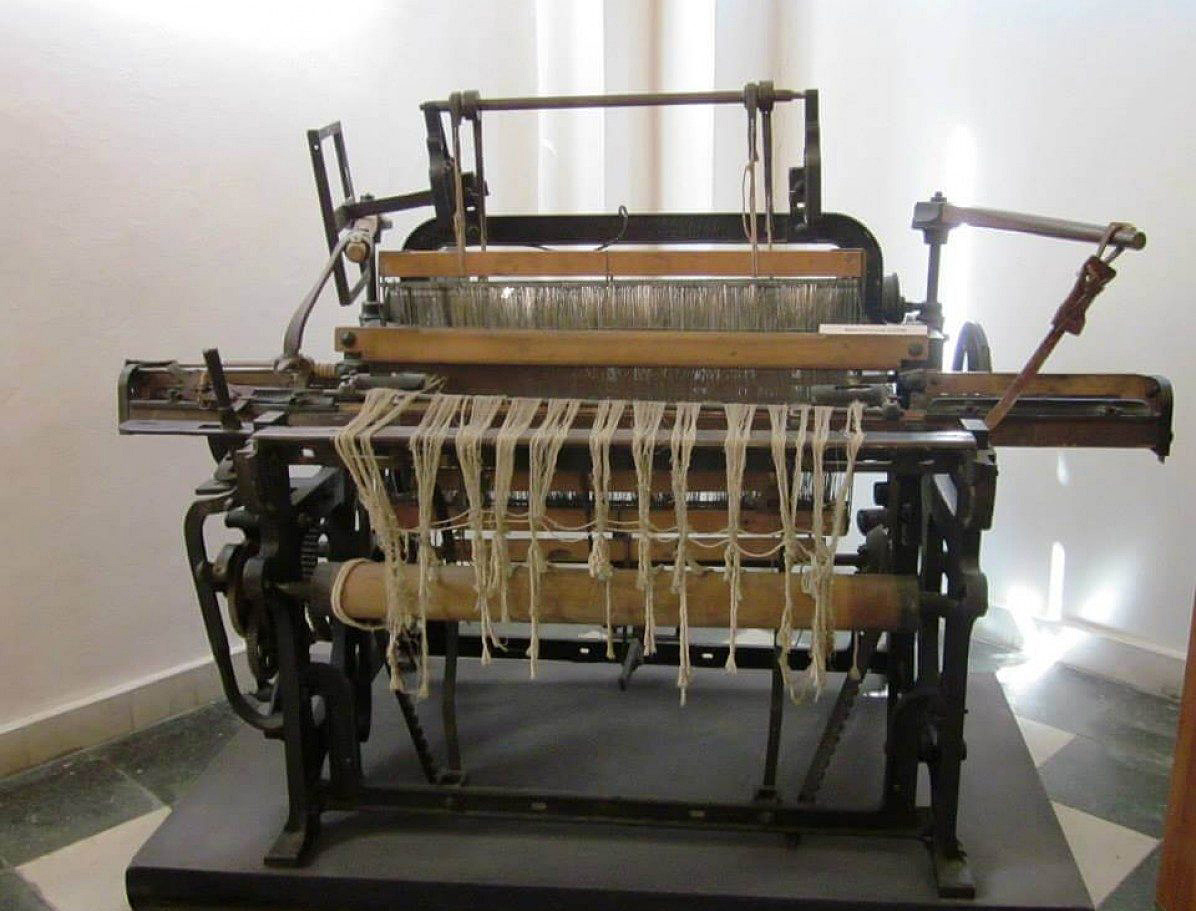
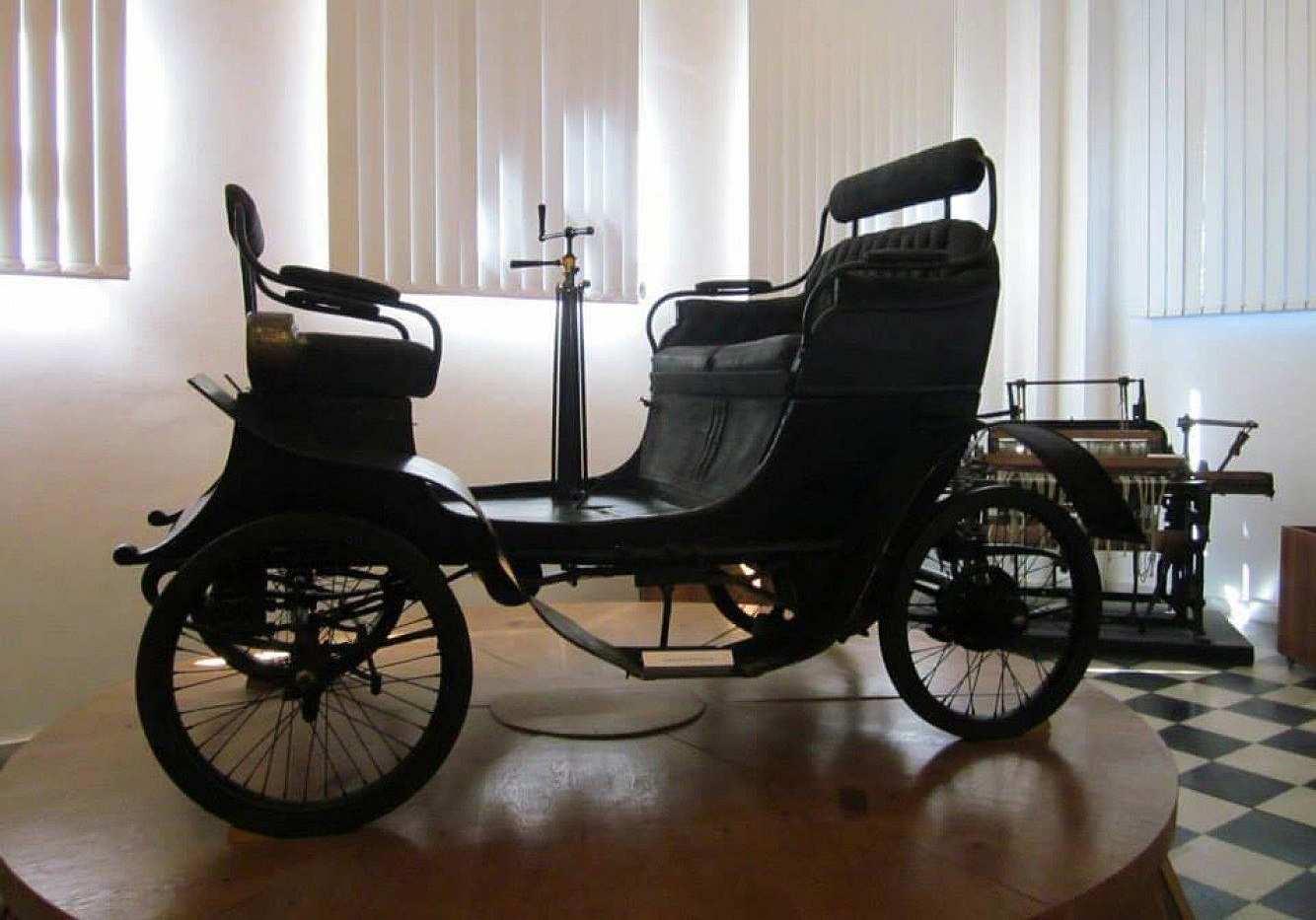
The institution’s collections are diverse, including archaeology, numismatics, medals, ethnography, philately, decorative arts, documents and records from the modern and contemporary periods, old and rare books, technical items, press and publications, memorial artifacts, and more.
Cuza Voda Memorial House
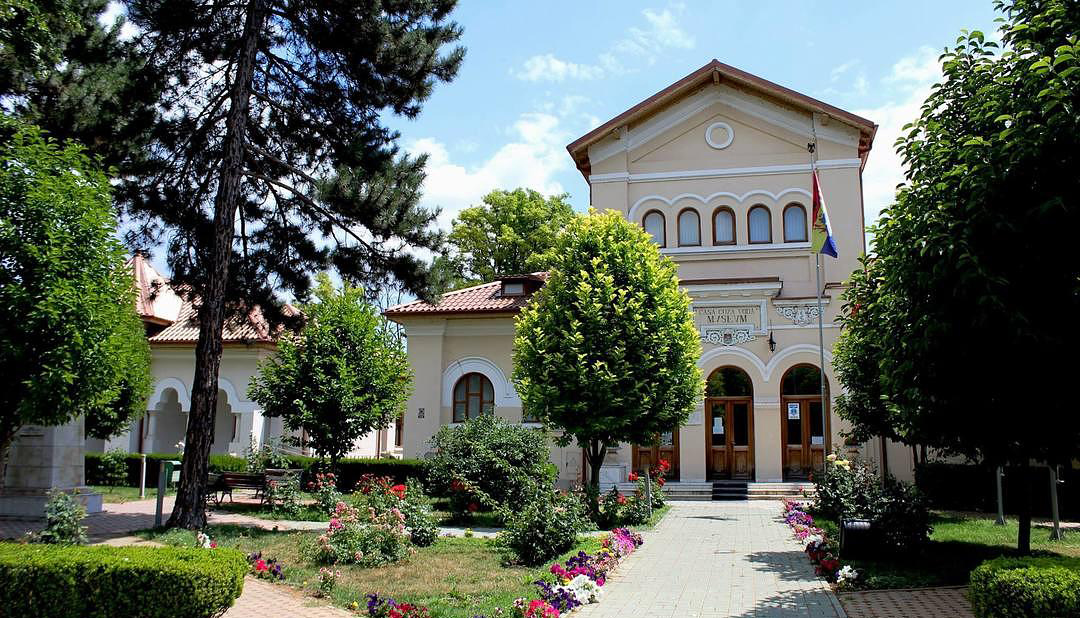
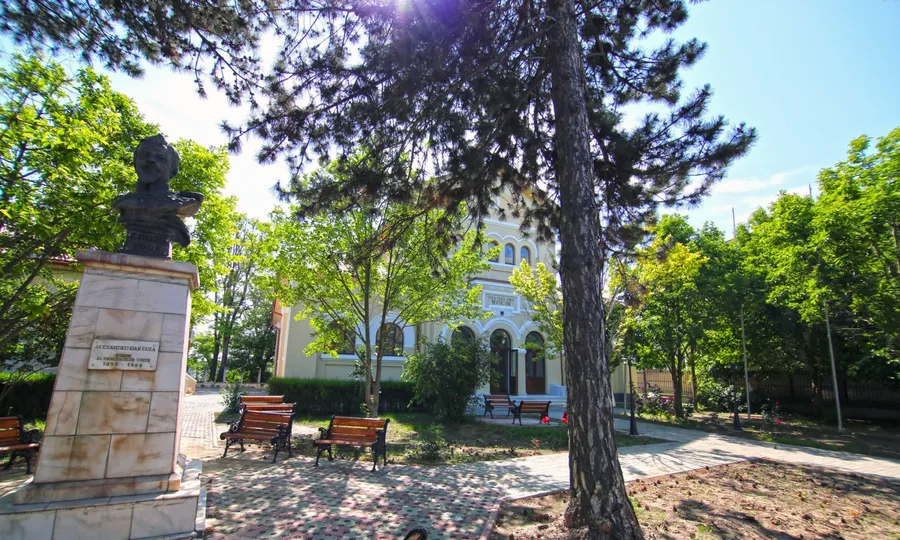
The “Cuza Vodă House” Museum is a landmark in Galați, preserving the memory of Prince Alexandru Ioan Cuza. Inaugurated on January 24, 1939, the museum is housed in Cuza’s former family home, which was acquired through public subscription.
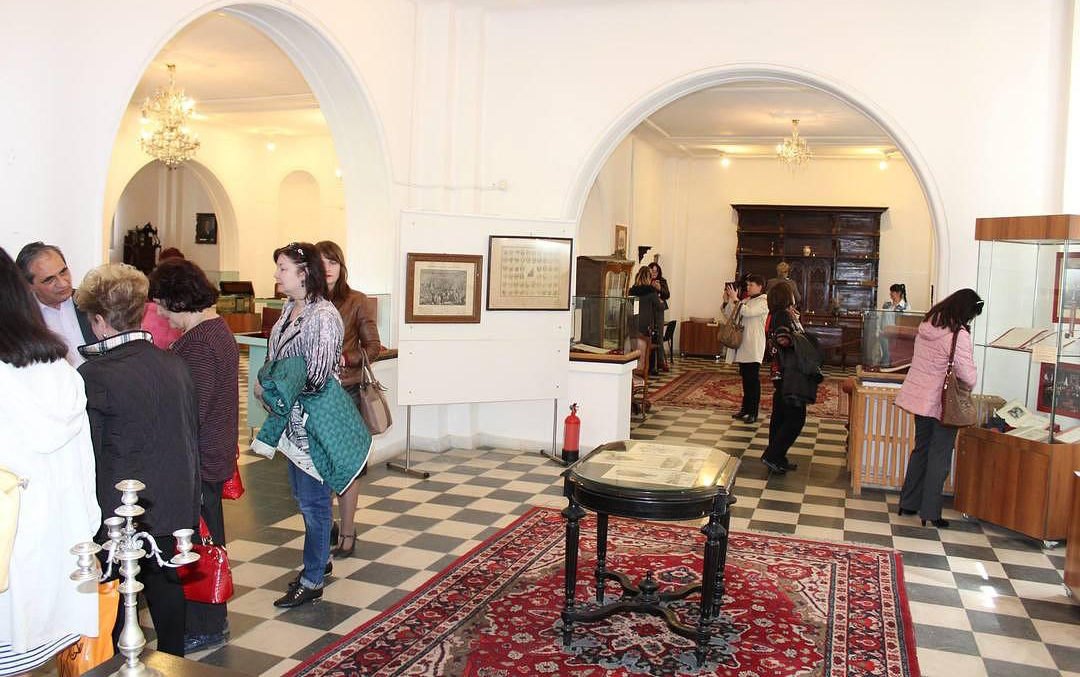
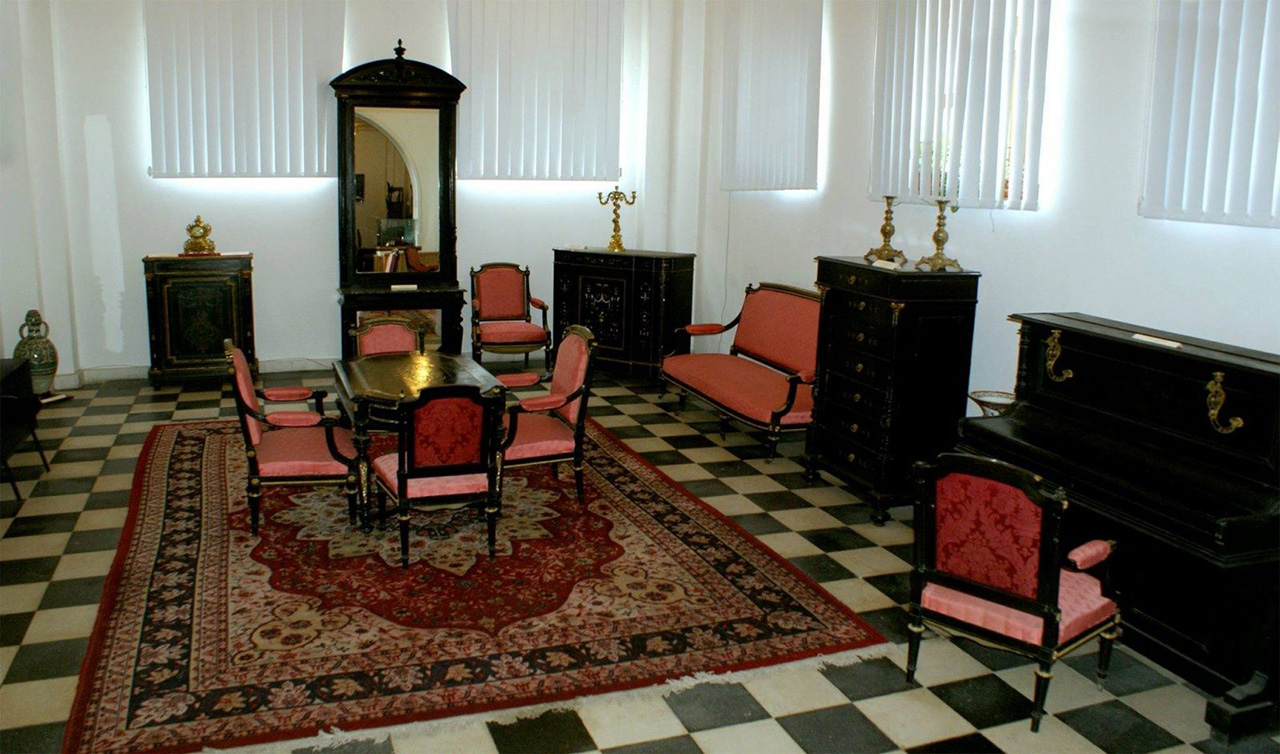
The permanent exhibition recreates the atmosphere of 19th-century Galați and highlights the ruler’s contribution to the modernization of Romania. A special attraction is the annex building, which hosts collections of philately, numismatics, and medals.
Visitors will discover a refined period atmosphere, along with documents attesting to the decoration of the city by General Berthelot. The house has recently been fully renovated and reinforced with European funds, and equipped with modern display cases and exhibition panels.
The Museum of History, Culture, and Christian Spirituality of the Lower Danube
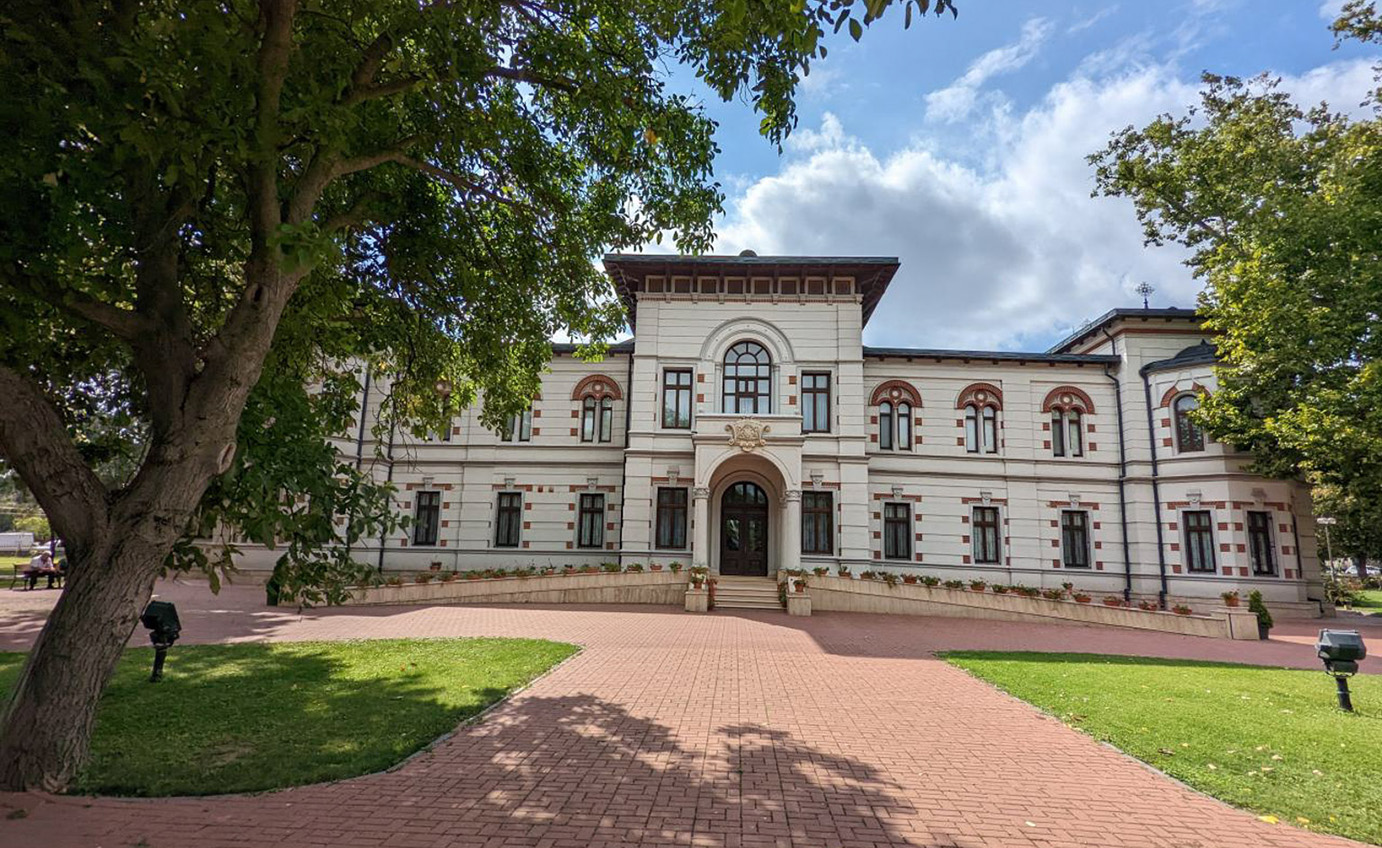
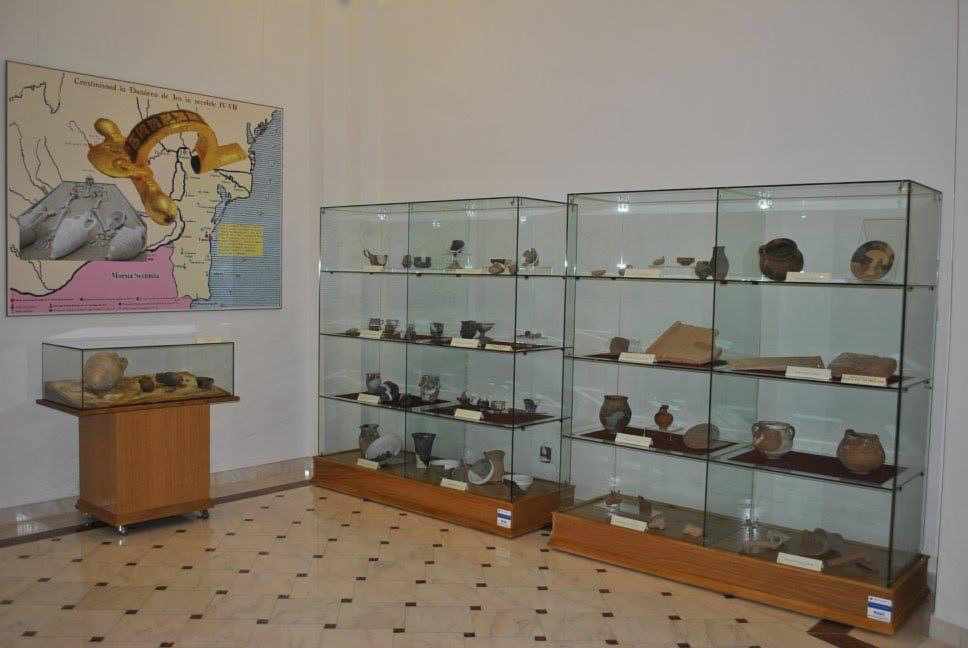
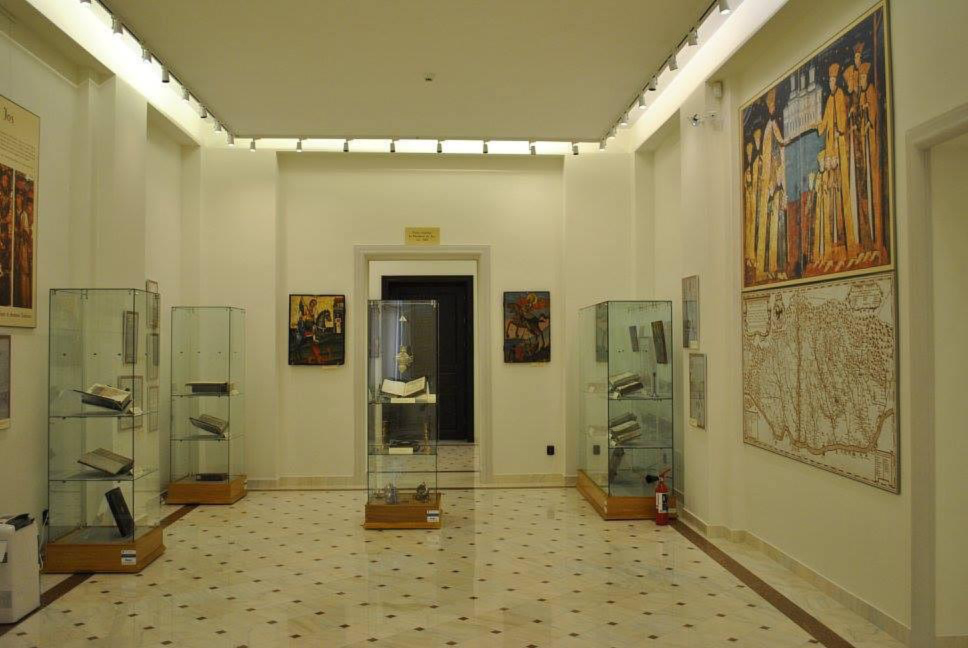
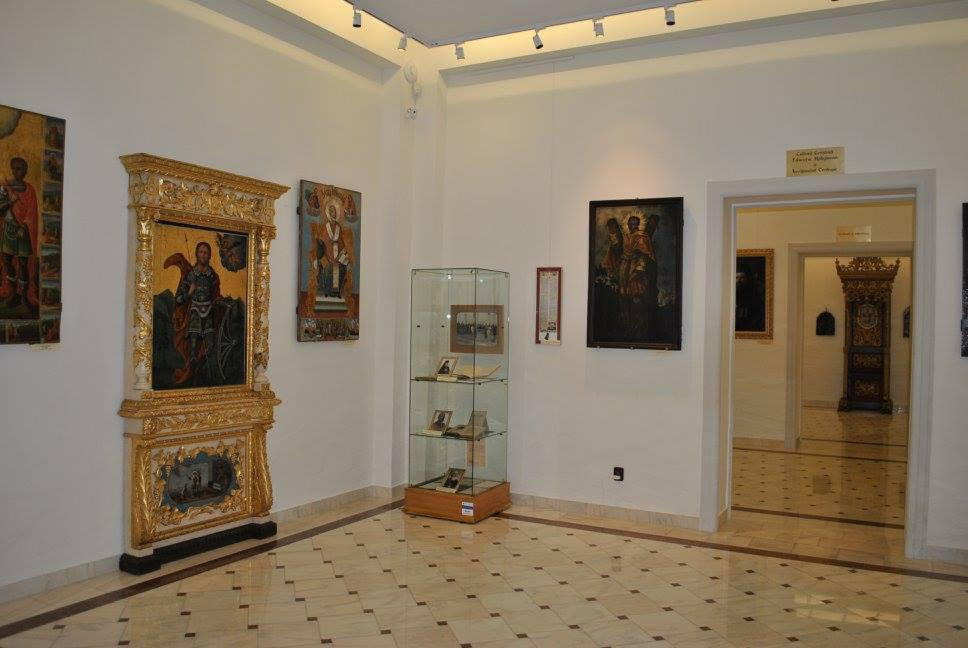
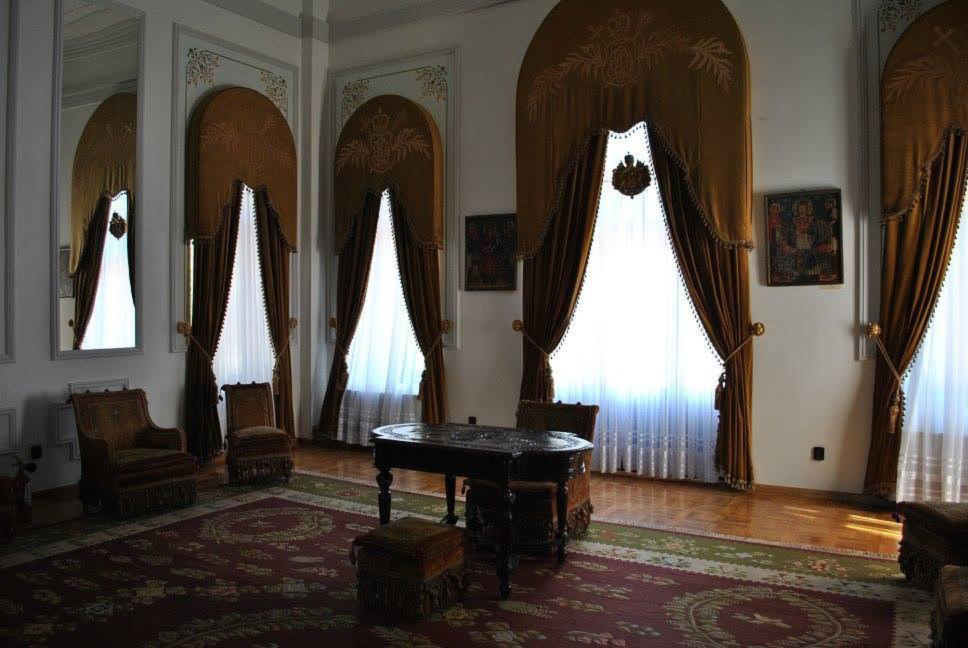
The Museum of History, Culture, and Christian Spirituality of the Lower Danube is housed in the Episcopal Palace building, which dates back to the late 19th century.
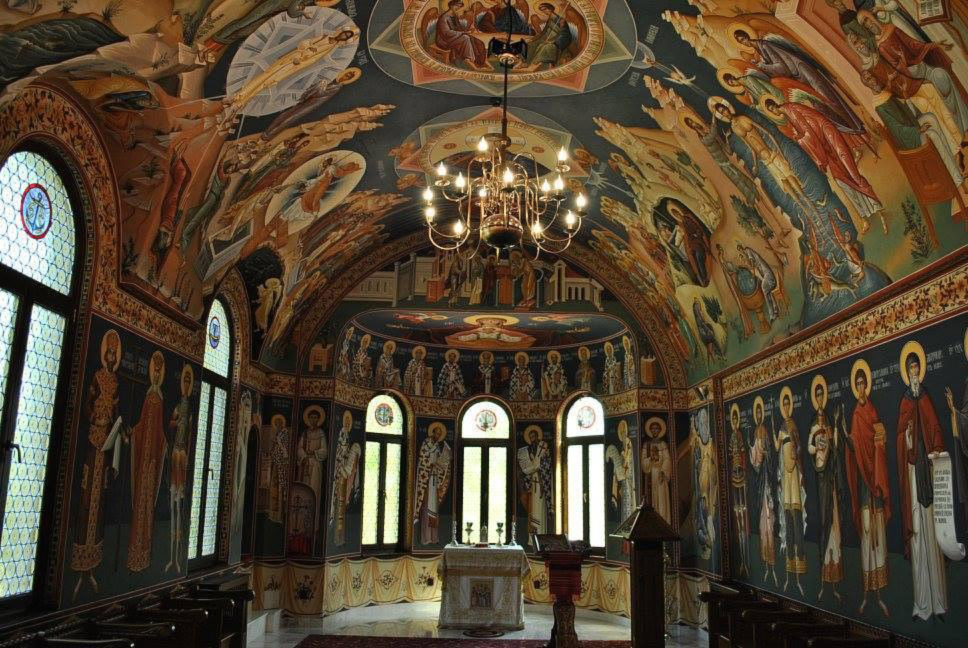
The Episcopal Palace is an imposing structure, with a long façade and two perpendicular wings forming the shape of the Greek letter π. For a long time, it remained a symbol of modern Galați—a building of remarkable elegance and beauty. Although solidly built, set on marble slabs, and impeccably crafted, the structure has suffered over the years due to frequent and powerful earthquakes.
Between 2012 and 2014, the building was fully consolidated and restored, regaining its former beauty and being recognized as a historical monument.
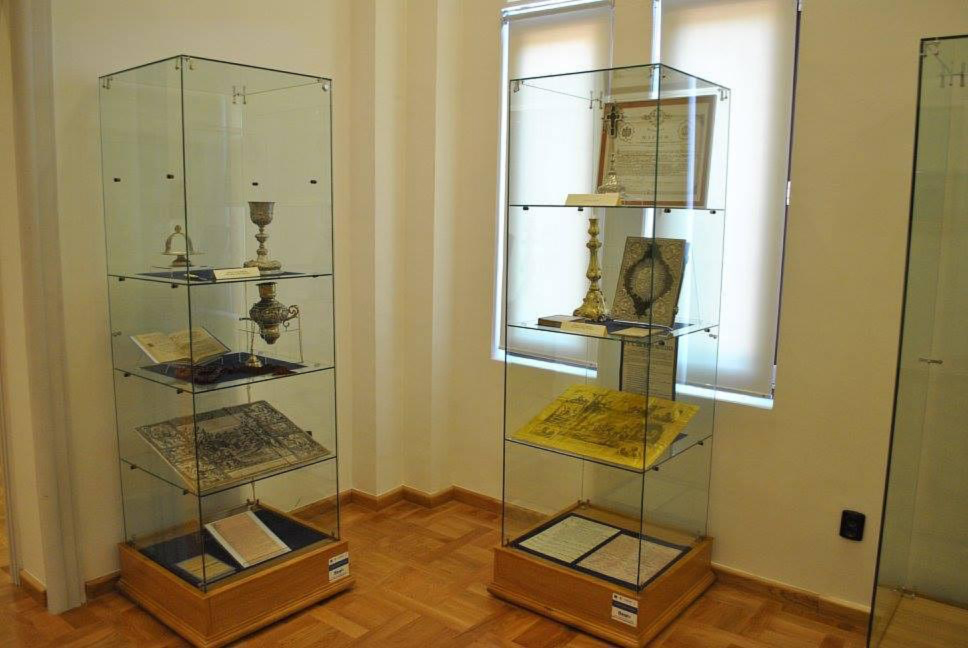
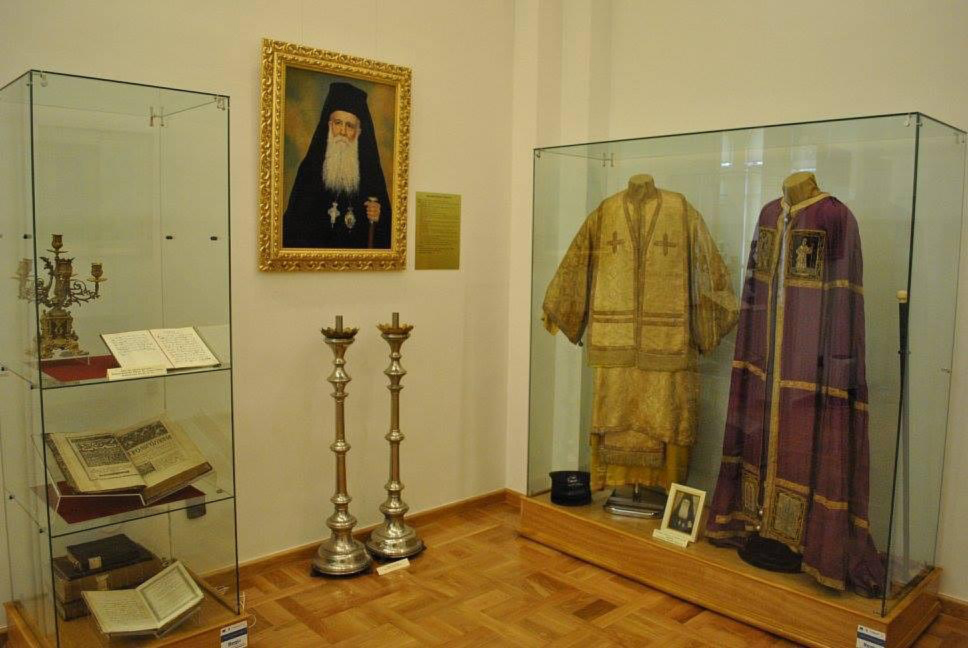
At the same time, it was transformed into a museum of religious art, and today it houses a valuable collection of old icons, books, and many other exhibits gathered from the parishes of the Danube Diocese.
Choose Your Demo
Full width
Boxed
LTR Version
RTL Version
You will find much more options for colors and styling in admin panel. This color picker is used only for demonstation purposes.